Blood pressure monitor, hearing amplifier, SAD lamp or massage device?

An electronic blood pressure monitor measures blood pressure using a cuff worn on the upper arm. It provides systolic and diastolic readings and is the most widely recommended format for home monitoring.
Home blood pressure monitoring, managing hypertension with GP guidance and tracking readings over time.

A more compact blood pressure monitor worn around the wrist instead of the upper arm. It's useful for travel and easy to store because of its size.
People who find upper arm cuffs uncomfortable or difficult to use.

A wearable hearing device that makes surrounding sounds louder. Unlike a clinical hearing aid, it amplifies all sounds rather than being programmed to an individual's hearing profile.
Mild situational hearing difficulties, such as conversations or TV listening.

A bright light therapy lamp designed to simulate natural daylight during darker months.
People who notice changes in mood, energy levels or sleep during autumn and winter. Symptoms associated with Seasonal Affective Disorder (SAD).

A connected scale that measures weight and estimates additional metrics such as body fat percentage, muscle mass and hydration.
People tracking long-term fitness, health or weight-management goals.

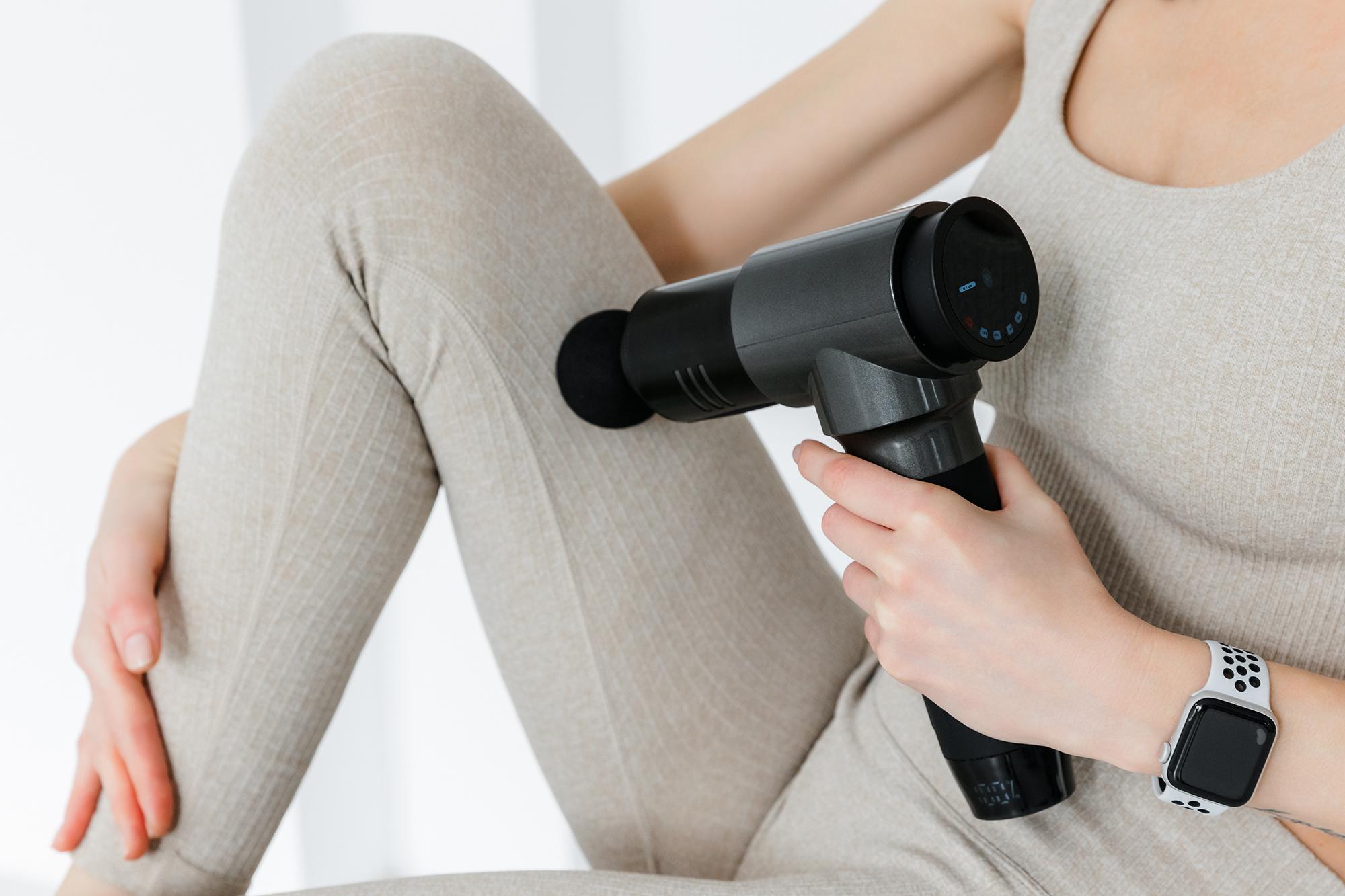
A handheld massage device that uses rapid pulses to massage muscles and help reduce feelings of tightness after activity.
Exercise recovery, easing muscle soreness and improving pre- or post-workout routines.

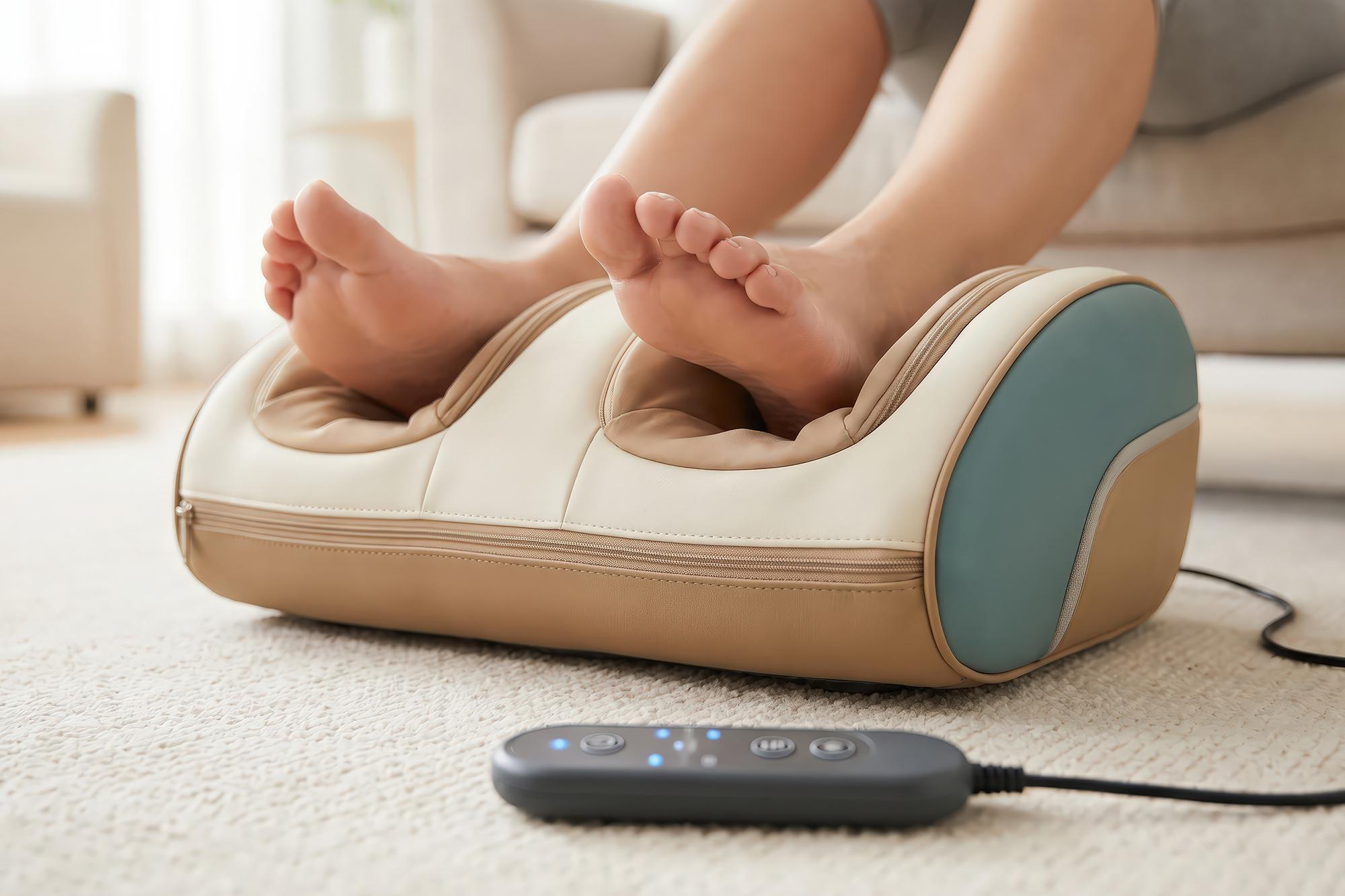
A powered massager that uses rolling, kneading, vibration, compression or heat to soothe tired feet and legs.
Aching feet, long days on your feet and post-exercise relaxation.

"When it comes to health and wellbeing, I always recommend seeking advice from a professional before purchasing a device. They can help you understand what is going on and what the most appropriate line of treatment is. From personal experience, when used correctly, consistently and for the right reasons, health and wellness products can make a real difference to quality of life."
How to choose the right health & wellness device
The best health and wellness device for you is all about the result you're looking for. Start with the problem you want to solve rather than the technology itself and you'll narrow your options down quickly.
| Goal | Best device type | Why |
|---|---|---|
| Monitor blood pressure at home | Upper arm blood pressure monitor | Generally considered the most accurate option for home monitoring |
| Hear conversations or TV more clearly | Hearing amplifier | Boosts surrounding sounds in specific situations |
| Manage winter low mood and low energy | SAD lamp | Delivers bright light therapy during darker months |
| Track weight and body composition | Smart scale | Gives weight data plus body-composition trends |
| Recover after exercise | Massage gun | Helps tackle muscle tightness and soreness |
| Soothe tired feet and legs | Foot & leg massager | Designed for comfort and relaxation |
Expert tip: Think about when you'll use it, not just what it does. A blood pressure monitor that's easy to read, or a massage gun that's light enough to use comfortably, is more likely to become part of your routine.
Every device has those key features that are well worth prioritising. Here's what we recommend...
| Device | Worth looking for |
|---|---|
| Blood pressure monitor | BIHS validation, memory storage, cuff compatibility |
| Hearing amplifier* | Noise reduction, comfort, rechargeable battery |
| SAD lamp | 10,000 lux output, medical certification |
| Smart scale | App compatibility, multi-user support |
| Massage gun | Noise level, battery life, attachment variety |
| Foot massager | Heat, kneading functions, air compression |
Expert advice: Medical certification, something you find comfortable and easy to use generally matter most. If a feature won't change how you use the device, it may not be worth paying extra for.
*Hearing amplifiers aren't suitable for children, or people with severe or profound hearing loss, single sided deafness, hearing loss accompanied by pain, discharge, dizziness or sudden on-set or for those with a history of ear surgery or ear canal abnormalities.
| Device | Realistic expectation |
|---|---|
| Blood pressure monitor | Reliable readings when used correctly |
| Hearing amplifier | Easier listening in some situations, not restored hearing |
| SAD lamp | Potential improvements in mood and energy after consistent use |
| Smart scale | Useful trends rather than perfect body-fat measurements |
| Massage gun | Reduced muscle tightness and improved recovery comfort |
| Foot massager | Temporary relief from aching feet and legs |
Are Health & Wellness devices worth it?
Health and wellness devices are worth it when they solve a specific problem and become part of your routine.
A blood pressure monitor won't improve your health on its own, and a massage gun won't magically fix sore muscles. But the right device, used consistently, can make monitoring, recovery and wellbeing easier to manage at home.
 When they're worth it
- You have a specific goal, such as tracking blood pressure, improving recovery after exercise or managing winter low mood.
- You'll use the device regularly as part of your routine.
- You want more visibility into your health or wellbeing between appointments or assessments.
- You're looking for practical support that helps you build habits or monitor progress over time.
- The device solves a real problem for you rather than simply offering interesting features.
 When they may not be worth it
- You're expecting a device to diagnose, treat or cure a medical condition.
- You're unlikely to use it regularly once the novelty wears off.
- You're buying a product because it has lots of features rather than because it solves a real problem for you.
- You need professional medical support rather than home monitoring or wellness tech.
Top picks from our experts
Our experts have highlighted these wellness devices because they give you great results.
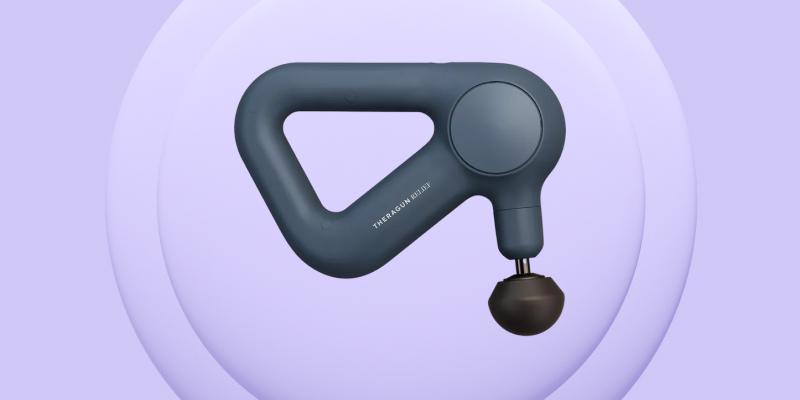
Fast recovery
Gentle percussive therapy soothes everyday aches and speeds up recovery after an intense workout.
Shop Therabody Theragun Handheld →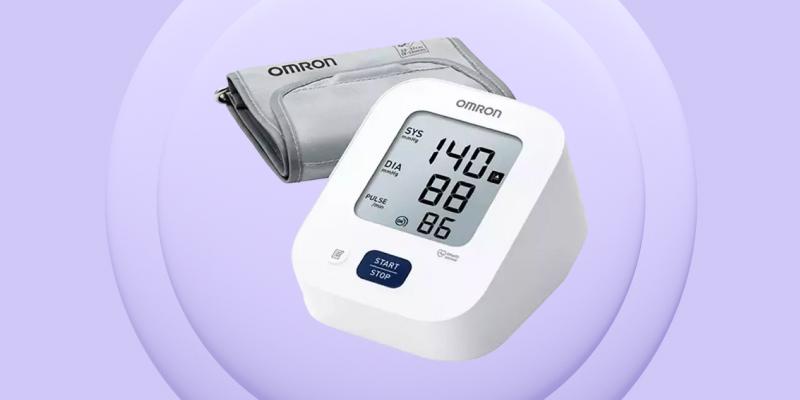
Blood pressure monitoring
A built-in hypertension detector measures your blood pressure in real-time, alerting you if your reading ever gets too high.
Shop Omron M2 Upper Arm Blood Pressure Monitor →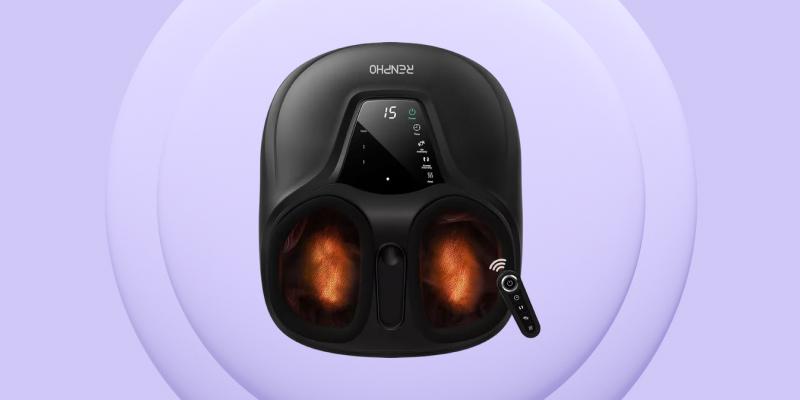
Tired feet
A 3-in-1 massage mode – plus a handy heat function – relieves sore, tired feet after a long day standing or walking.
Shop Renpho Shiatsu Foot Massager →How does a SAD lamp work?
A SAD lamp emits bright light that mimics natural daylight. It's typically used in the morning and is designed to help regulate your body clock (circadian rhythm), which can be affected by reduced daylight during autumn and winter. Many SAD lamps provide up to 10,000 lux of light and are used to support wellbeing during the darker months.
 Important: A SAD lamp is not a substitute for medical treatment. If symptoms of low mood persist, speak to your GP.
Where can you safely use a massage gun?
Massage guns are designed for use on large muscle groups, including the shoulders, trapezius muscles (traps), forearms, glutes, hamstrings, quadriceps and calves. They can also be used on the muscles either side of the spine.
Avoid using a massage gun on the throat, the front of the neck, directly on the spine, the lower back, joints, bones, kidneys, injured or inflamed areas and varicose veins.
Important: Avoid using a massage gun on the abdomen during pregnancy and check with a healthcare professional before use if you have an underlying medical condition.What to consider before you buy
Choosing the right health and wellness device is often less about the technology and more about how you'll use it. Before comparing products, think about these factors first.
What are you trying to improve?
Focusing on a specific concern can help you choose the right device. For example, someone looking to reduce under-eye puffiness may go with a targeted eye therapy device, while someone concerned about skin firmness might pick a microcurrent device. Define what you want to achieve first before buying a device you end up being disappointed with.
How often will you use it?
A cheaper product that's used every day often delivers more value than a premium model that's rarely switched on. Think honestly about how regularly you'll use it and be realistic about how quickly you're likely to see results.
Are certifications more important than features?
For some categories, it's a mistake to ignore certification. Blood pressure monitors should prioritise accuracy and validation, while SAD lamps should meet appropriate light-therapy standards. Fancy features are great, but only after the fundamentals are covered.
Do you need tracking and app connectivity?
Apps can make it easier to spot long-term trends, especially with smart scales and some blood pressure monitors. But if you're unlikely to check the data regularly or share it with a physician, a simpler model may offer better value.
Are there any health considerations?
Some wellness devices aren't suitable for everyone. People with hearing concerns, circulatory conditions, diabetes, pacemakers or ongoing medical issues should always check with a healthcare professional whether a device is appropriate before use.
Will you use the features you're paying for?
Many people end up using only a small number of the features available. Focus on the things that will genuinely improve your experience rather than choosing the device with the longest list of features.
Health & wellness glossary
The distance a massage gun head travels during each pulse. Higher amplitude generally means deeper massage action.
Bioelectrical Impedance Analysis is the technology used by many smart scales to estimate body composition metrics such as body fat percentage. It's useful for tracking trends rather than producing clinical-grade measurements.
The British and Irish Hypertension Society is an organisation that independently validates blood pressure monitors for accuracy. Choosing a validated device can give you greater confidence in your readings.
Delayed Onset Muscle Soreness is the muscle ache that commonly appears a day or two after exercise. Massage guns are frequently used to help manage it.
Lux is a measurement of light intensity. For light therapy, the lux rating is one of the most important specifications to check.
The body's natural process of moving excess fluid through the lymphatic system. Some recovery and massage devices are designed to support this process through compression or massage techniques.
PSAP stands for Personal Sound Amplification Product. It's the technical term for a hearing amplifier.
Seasonal Affective Disorder is a form of depression that follows a seasonal pattern, most commonly during autumn and winter. SAD lamps are designed to support light therapy routines during these periods.
A device that gradually increases light before your alarm time to mimic a natural sunrise and make waking up feel more gradual.
A rise in blood pressure caused by the stress or anxiety of a clinical setting. This is one reason healthcare professionals often recommend home monitoring.