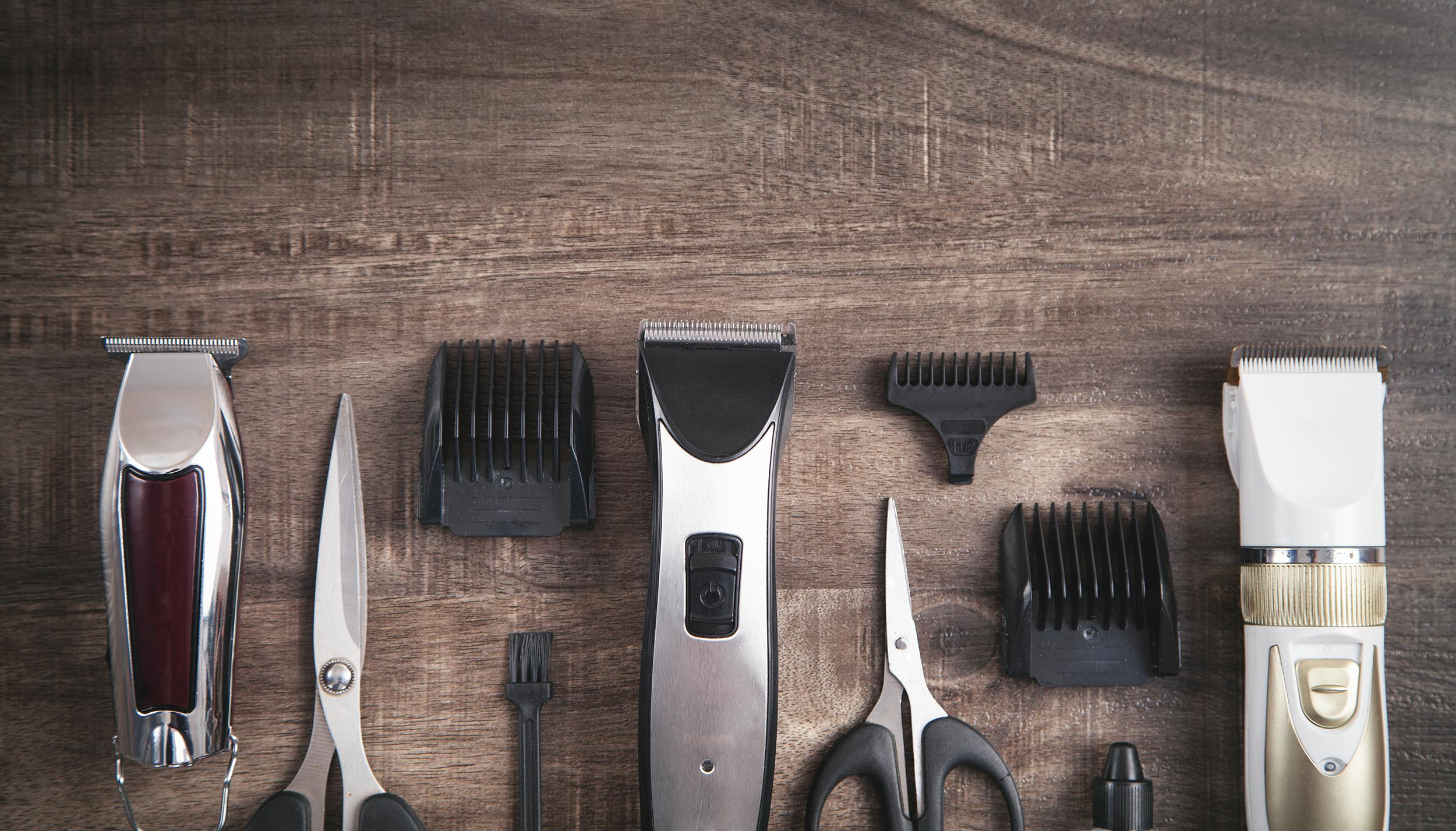

Foil shaver, rotary shaver, trimmer or clippers?
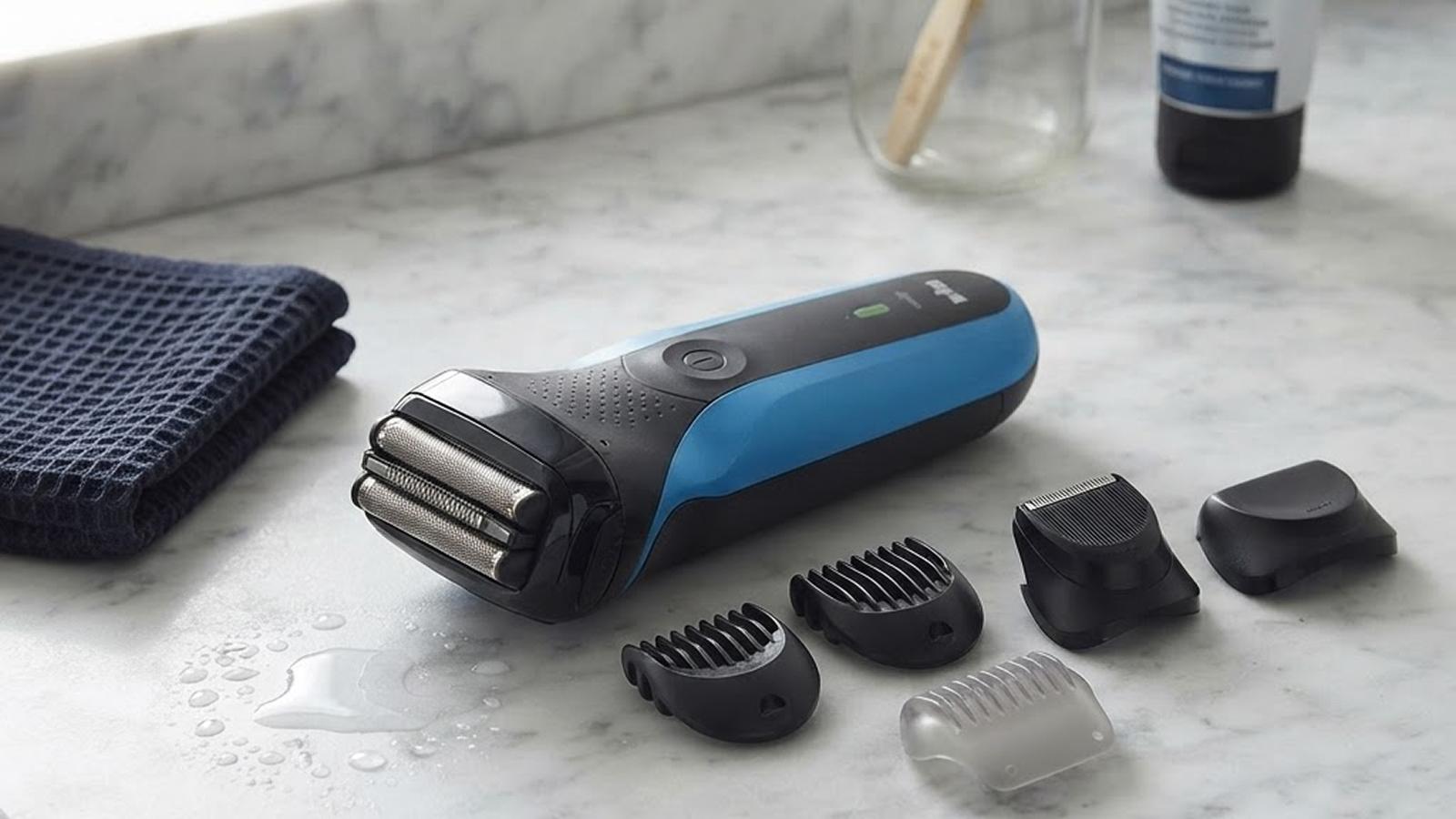
Foil electric shaver
A foil shaver uses fast-moving blades beneath a thin metal screen to cut hair close to the skin, for a smooth, clean-shaven result with minimal irritation.
Daily shaving, sensitive skin, straight to wavy facial hair. Plus, precise edging around sideburns and necklines.
Shop foil shavers →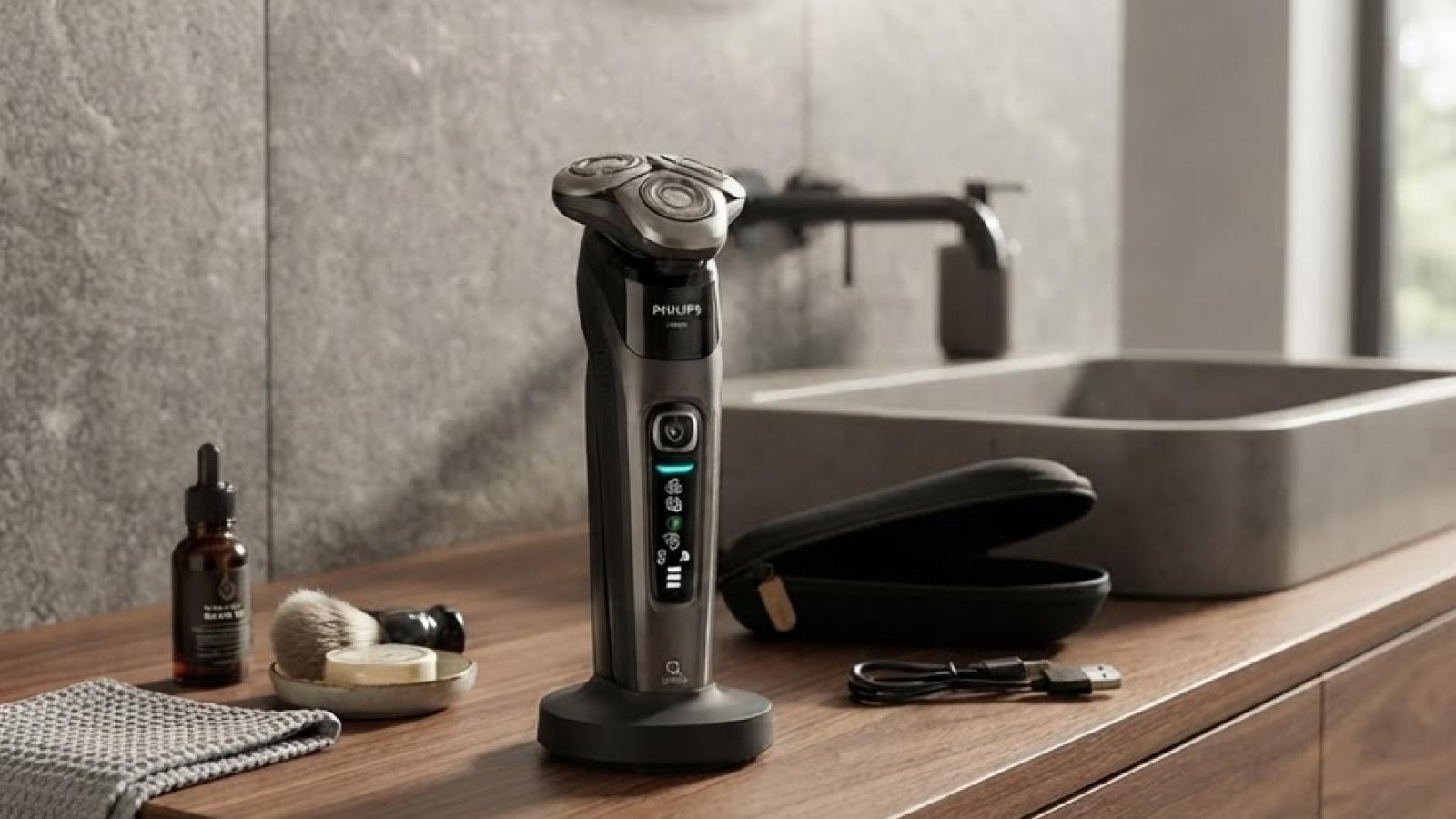
Rotary electric shaver
A rotary shaver uses spinning circular blades that flex across the contours of the face, capturing hairs growing in multiple directions for a fast shave.
Thicker facial hair, men who shave every few days. Areas such as the chin, jawline and neck.
Shop rotary shavers →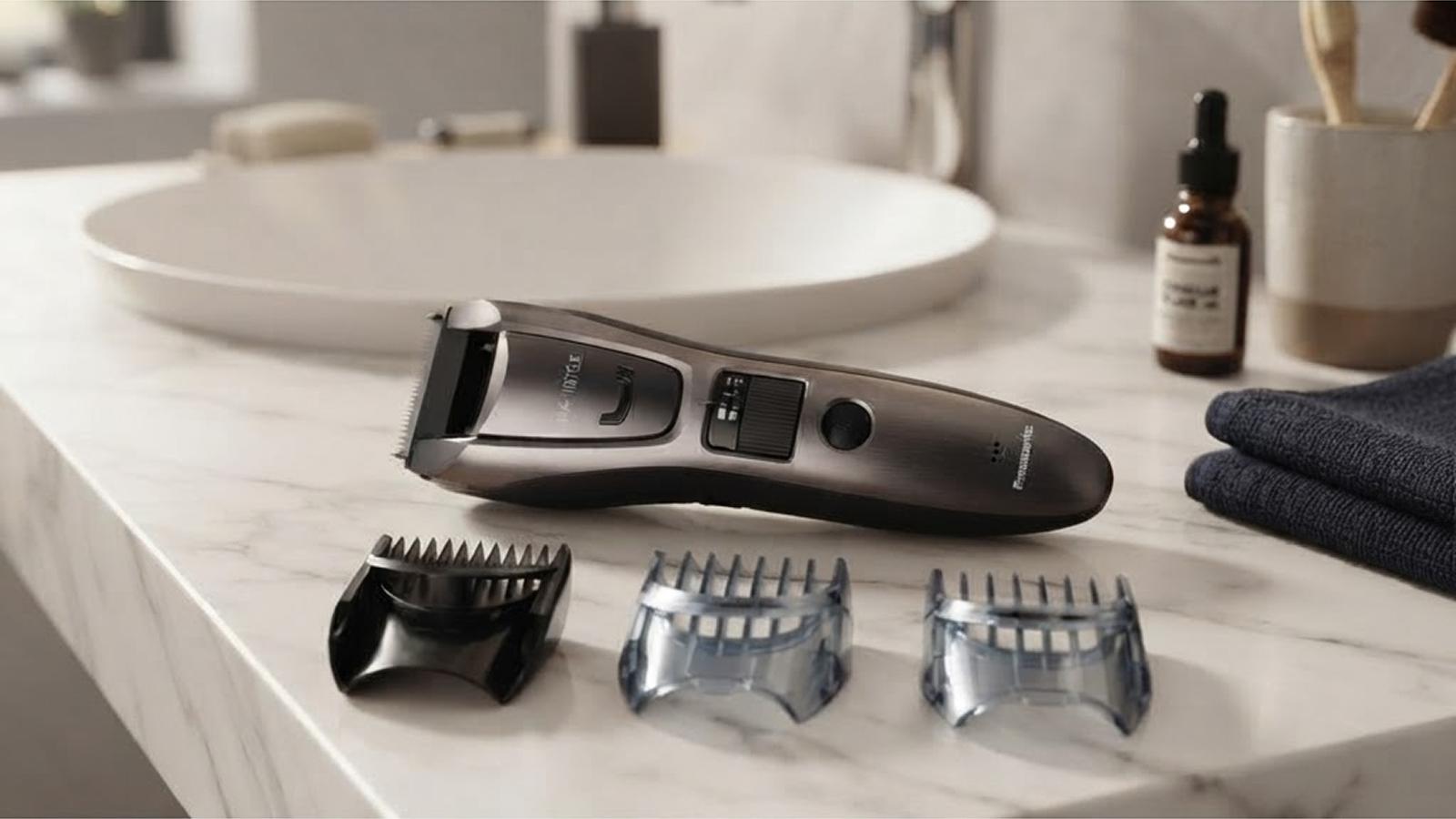
Beard & stubble trimmer
A beard trimmer cuts facial hair to a chosen length, keeping everything from short stubble to fuller beard styles looking neat and defined.
Beard maintenance, shaping, outlining and regular touch-ups without removing facial hair completely.
Shop beard & stubble trimmers →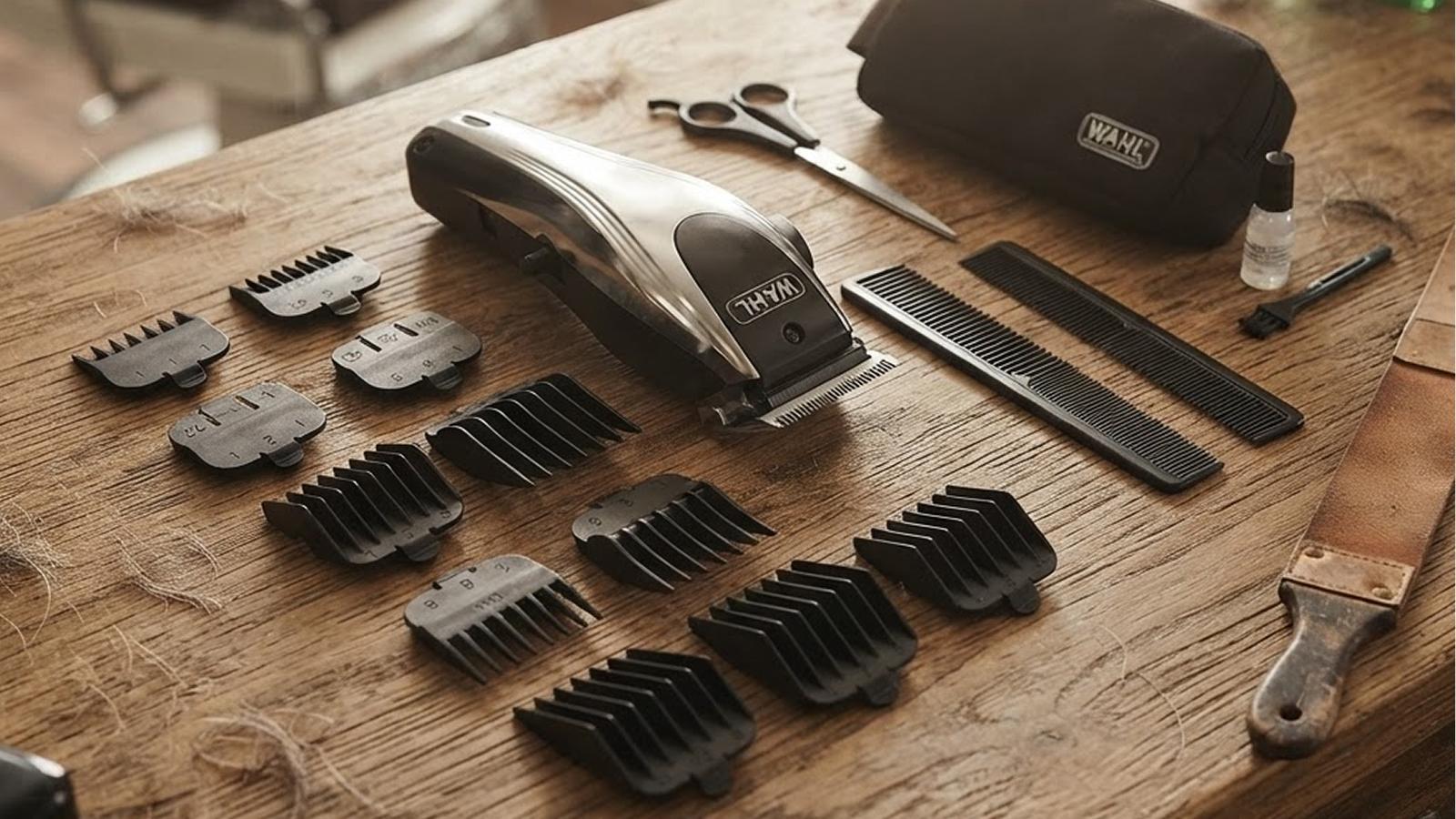
Hair clippers
Hair clippers use powerful cutting blades and guard combs to trim large amounts of hair evenly. Easy to maintain short styles and cut hair at home.
Home haircuts, fades and buzz cuts. If you're regularly paying for short maintenance cuts, hair clippers can quickly pay for themselves.
Shop hair clippers →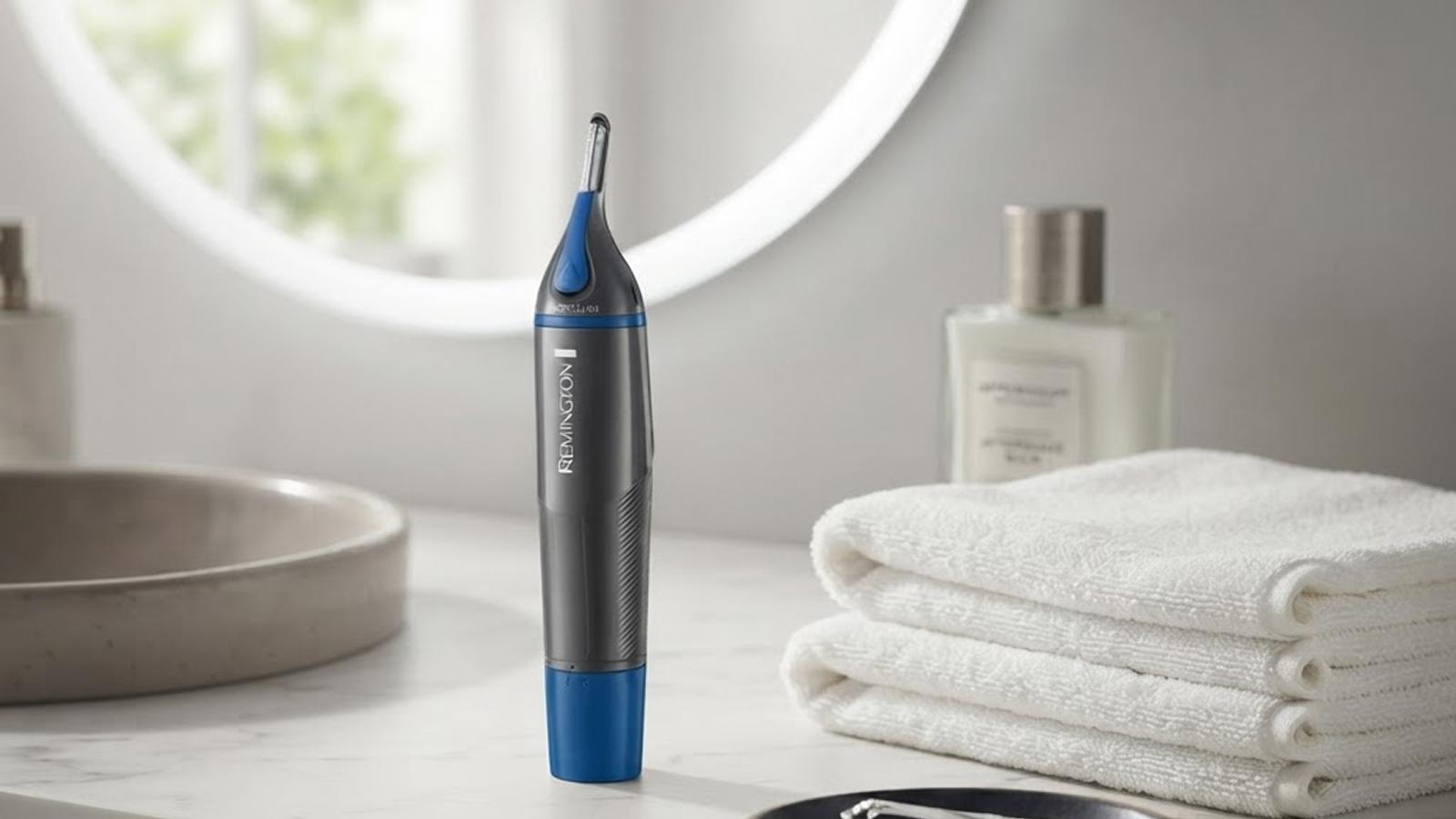
Nose & ear trimmer
A nose and ear trimmer uses protected precision blades to safely trim unwanted hair in hard-to-reach areas, creating a neater appearance without pulling.
Managing nose and ear hair, with some trimmers also suitable for eyebrow touch-ups.
Shop nose & ear trimmers →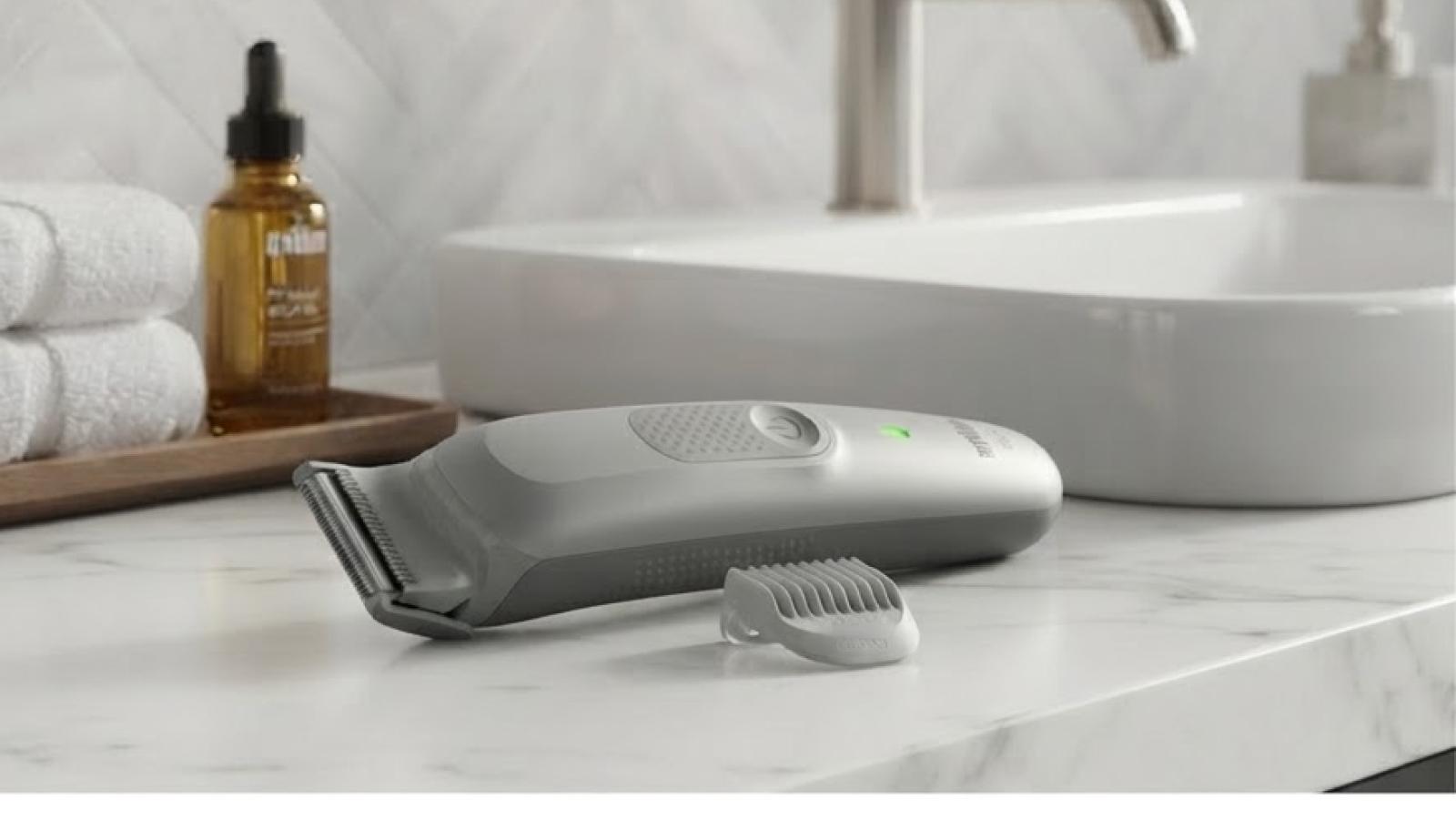
Body trimmer & intimate grooming device
A body trimmer cuts body hair using skin-friendly blades and guards designed for sensitive areas, helping keep hair managed comfortably and with less irritation.
Chest, back, underarms and intimate grooming. A body trimmer is the safest choice for below-the-neck grooming and is usually more comfortable than repurposing a beard trimmer.
Shop body trimmers →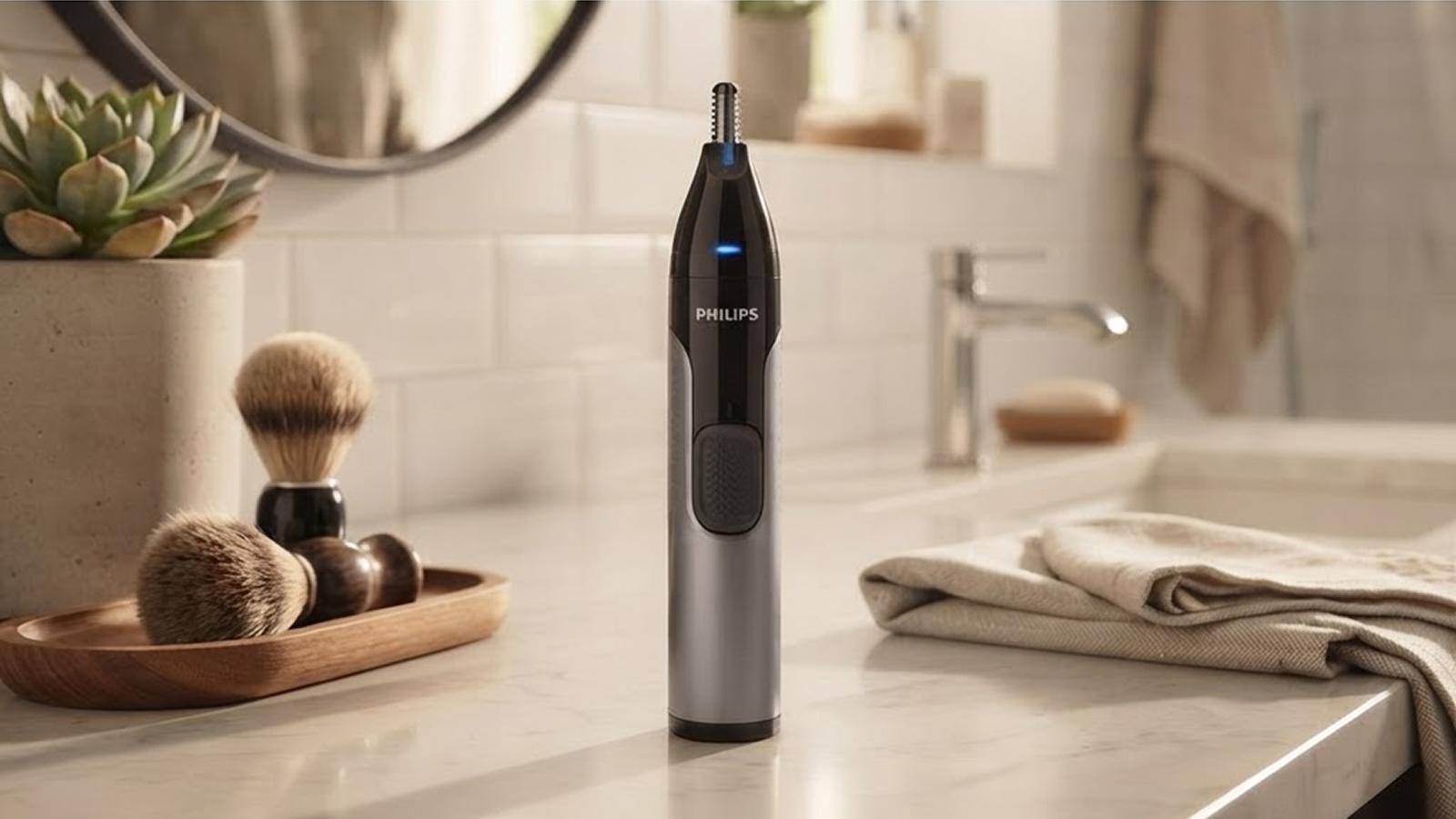
Precision & detail trimmer
A compact grooming tool designed for precise hair removal and shaping in small areas. It's commonly used on the upper lip, chin, eyebrows, sideburns and other areas where accuracy matters.
Quick touch-ups, removing unwanted facial hair and maintaining neat edges between more comprehensive grooming sessions.
Shop trimmers & grooming tools →"Electric razors can be a gamechanger, particularly when manual razors are causing the skin to become irritated.
Take it slowly and look after your skin as you adapt to this new style of hair removal. There are plenty of skincare products on the market that can help with issues such as ingrowing hairs and sensitivity. Always keep your razor clean. Good hygiene will help keep spots and inflammation at bay."

How to choose the right men's grooming device
The best grooming device starts with your end goal – whether that's a clean shave, a sharp beard, a DIY haircut or tackling unwanted body hair. Then it's about finding the right device for the job.
| Goal | Best device type | Why |
|---|---|---|
| Clean-shaven face, smooth, close result | Foil or rotary electric shaver | Designed specifically for face shaving and delivers a much closer result than a trimmer |
| Beard and stubble maintenance | Beard and stubble trimmer | Adjustable guards let you maintain your preferred length and shape |
| At-home haircuts | Hair clippers | Wider blades and more powerful cutting for head hair. Really easy to use too. |
| Remove nose and ear hair | Nose and ear trimmer | Rounded cutting heads are designed for safe use in sensitive areas |
| Body and intimate hair management | Dedicated body trimmer | Skin-friendly design helps reduce nicks and irritation |
| One device for face, head or body | Multi-grooming kit | Multiple attachments give you much more flexibility in a single kit |
| Restore declining shaver performance | Replacement shaver heads | Can get your device shaving well again without needing a new shaver |
Quick rule of thumb: If you're removing hair completely, start with a shaver. If you're managing hair length, start with a trimmer. If you're cutting hair on your head, you'll want clippers.
Choose the trimmer that's right for you
This is the decision that matters most. Choosing between foil and rotary will usually have a bigger impact on results than choosing between brands.
| Consideration | Foil shaver | Rotary shaver |
|---|---|---|
| Hair type | Straight to wavy, finer facial hair | Thicker, coarser facial hair |
| Skin sensitivity | Often preferred for sensitive skin | More forgiving on thicker growth and facial contours |
| Shave closeness | Typically delivers the closest electric shave | Usually not quite as close on flat areas of the face |
| Technique | Straight shaving strokes | Circular shaving motions |
| Best suited to | Daily shaving, precise edging around sideburns and necklines | Men who shave every few days and have multi-directional hair growth |
Still unsure? Think of foil shavers as the detail-focused perfectionists and rotary shavers as the easy-going all-rounders. Both can deliver excellent results — it just depends on your beard, skin and shaving habits.
Electric shavers – foil vs rotary
The best grooming device isn't always the one with the longest feature list. Focus on the features that match your grooming habits, hair type and desired results.
Cutting mechanism (foil vs rotary)
Foil shavers are often best for daily shaving, sensitive skin and precise edging. Rotary shavers generally cope better with thicker beards and hair that grows in multiple directions.
Wet & dry shaving
Allows use with water, shaving gel or foam, which some people find more comfortable.
Flexible shaving heads
Help maintain contact with the skin around the chin, jawline and neck.
Precision trimmer
Useful for shaping sideburns, moustaches and beard lines.
Cordless runtime
Longer battery life is really useful if you travel often.
Washable design
Makes cleaning easier and helps maintain hygiene and performance.
Attachments
Useful if you want beard, body, nose and ear grooming in one device.
First 2–4 weeks
Mild irritation is common during this period as skin adjusts, especially if you're switching from manual razors.
After around 4 weeks
Most people experience a smoother, more comfortable shave as technique improves and skin adapts.
After replacing worn shaver heads
Shaving performance typically returns close to its original level.
Electric shavers can never get quite as close as a fresh manual razor blade, though top models come very close.
Most men can narrow their options quickly by answering one simple question: Do you want to remove hair completely or manage its length? From there, matching your skin type, hair growth pattern and grooming routine to the right device will help you get better results.
Is it worth it?
Yes. For most men, an electric shaver is worth it because it's faster, safer and significantly cheaper over time than buying manual razor blades regularly.
 When it's worth it
- You shave regularly
- You want a faster, more comfortable routine
- You suffer from irritation or razor burn
- You value convenience over the closest possible shave
- You're thinking about long-term costs, not just upfront price
 When it may not be worth it
- You only shave occasionally
- You want the closest possible shave of a manual razor
- You don't want the possible redness or irritation while you get used to an electric shaver
- You're choosing a shaver that doesn't suit your hair type
- You're buying the cheapest model expecting premium results
- Electric shavers need cleaning and periodic replacement heads
Top picks from our experts
Our experts selected these men’s grooming devices because they offer a great shave for every situation.
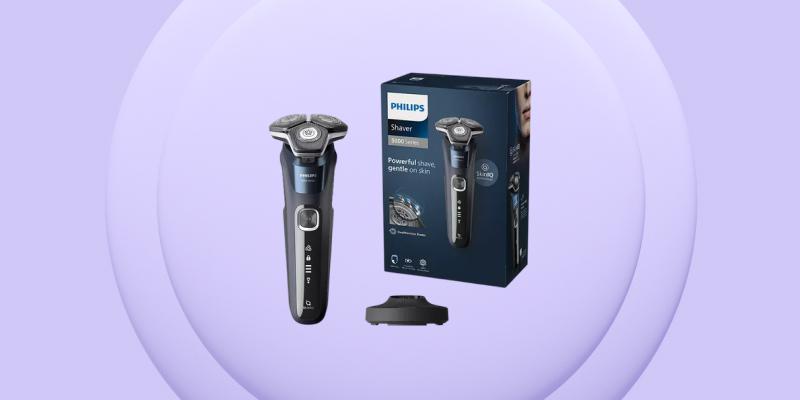
A gentle shave
The 360° flexing heads follow the curves of your neck and face for a far more comfortable shave.
Shop Philips Series 5000 Wet & Dry Rotary Shaver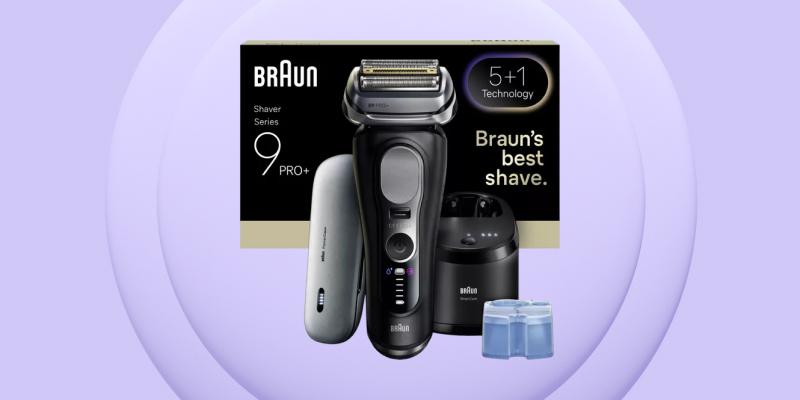
Wet & dry shaving
A 100% waterproof design means you can even use it in the shower – perfect for when you’re in a rush.
Shop Braun Series 9 Pro+ Wet & Dry Electric Shaver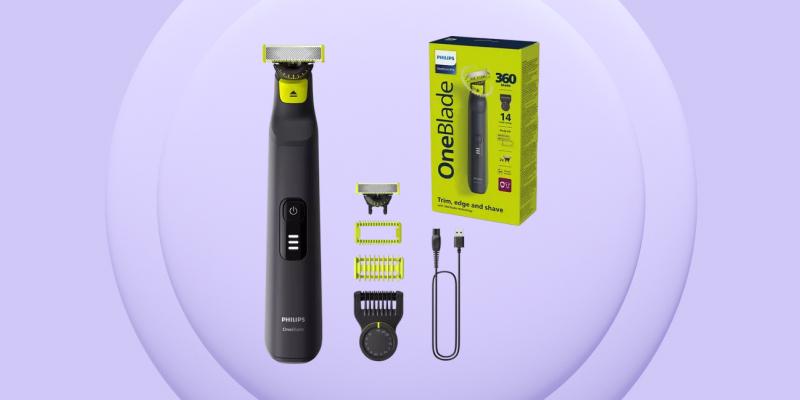
A close shave
Its 360 blade moves in every direction, adjusting to the contours of your face for an even closer shave.
Shop Philips OneBlade Pro Wet & Dry Foil ShaverWhat to consider before you buy
How often you'll use it
Daily shavers should opt for a dedicated electric shaver, while if you need more occasional maintenance, a grooming kit might be more versatile.
Your hair thickness and growth pattern
Coarser, faster-growing hair is better tackled with more powerful tools and a wider choice of length settings.
Maintenance requirements
Some shavers need replacement heads, blade oiling or regular cleaning to perform at their best.
Where you'll use it
If you travel regularly, look for long battery life, fast charging and travel-lock features.
Replacement parts availability
Check that replacement blades, foils or heads are easy to buy before committing to a device.
Future grooming
If you're likely to trim your beard, body hair and haircut with the same device, a multi-grooming kit could save money and storage space.
Men's grooming glossary
A beard roller is a grooming tool that uses tiny needles to stimulate the skin beneath the beard. It is used as part of a beard-care routine rather than for trimming or shaving. Keep them clean to ensure good skin hygiene. Note: Beard-care products are not stocked by Currys.
A foil shaver is an electric shaver that cuts hair using oscillating blades beneath a thin metal screen. The foil helps protect the skin, making these shavers a good choice for daily shaving, sensitive skin, and anyone who wants the closest electric shave.
Shop foil shaversFolliculitis barbae is the medical term for razor bumps that develop before or after shaving. It can occur due to irritation from longer hair curling back onto the skin or opportunistic staph aureus infections within hair follicles. Mild cases can improve with better shaving technique, but persistent symptoms may require advice from a GP or dermatologist.
A guard, or comb attachment, fits over a trimmer or clipper blade to control how much hair is removed. Different guard sizes create different cutting lengths - so they're essential for maintaining a consistent beard or hairstyle.
Shop trimmers & grooming toolsAn ingrown hair occurs when a hair grows back into the skin instead of growing out normally. Men who regularly get ingrown hairs often find electric shavers more comfortable because they don't cut as closely as manual razors.
Post-shave balm is a moisturising product applied after shaving to soothe and hydrate the skin. It helps reduce redness and discomfort following a shave. Note: Post-shave products are not stocked by Currys.
Pre-shave oil is applied before shaving to soften hair and help protect the skin. It can reduce friction and improve comfort during shaving. Note: Pre-shave oil is not stocked by Currys.
Razor burn is irritation that appears shortly after shaving and can cause redness, sensitivity, or a burning sensation. It is often linked to excessive pressure, dull blades or shaving against the grain.
A rotary shaver uses circular spinning heads that flex to follow the contours of your face. It works well on thicker hair and longer stubble, so it's ideal for men who don't shave every day.
Shop rotary shaversShaving with the grain means shaving in the same direction that your hair naturally grows. It reduces the risk of irritation and ingrown hairs, although the shave may not feel quite as close.
A straight razor is a traditional razor that uses a single exposed blade. It can produce an exceptionally close shave, but it requires skill and carries a higher risk of cuts than an electric shaver.
Wet and dry shaving means an electric shaver can be used on dry skin or with water, shaving gel or foam. People with sensitive skin can find a wet shave more comfortable.
Shop wet & dry shavers