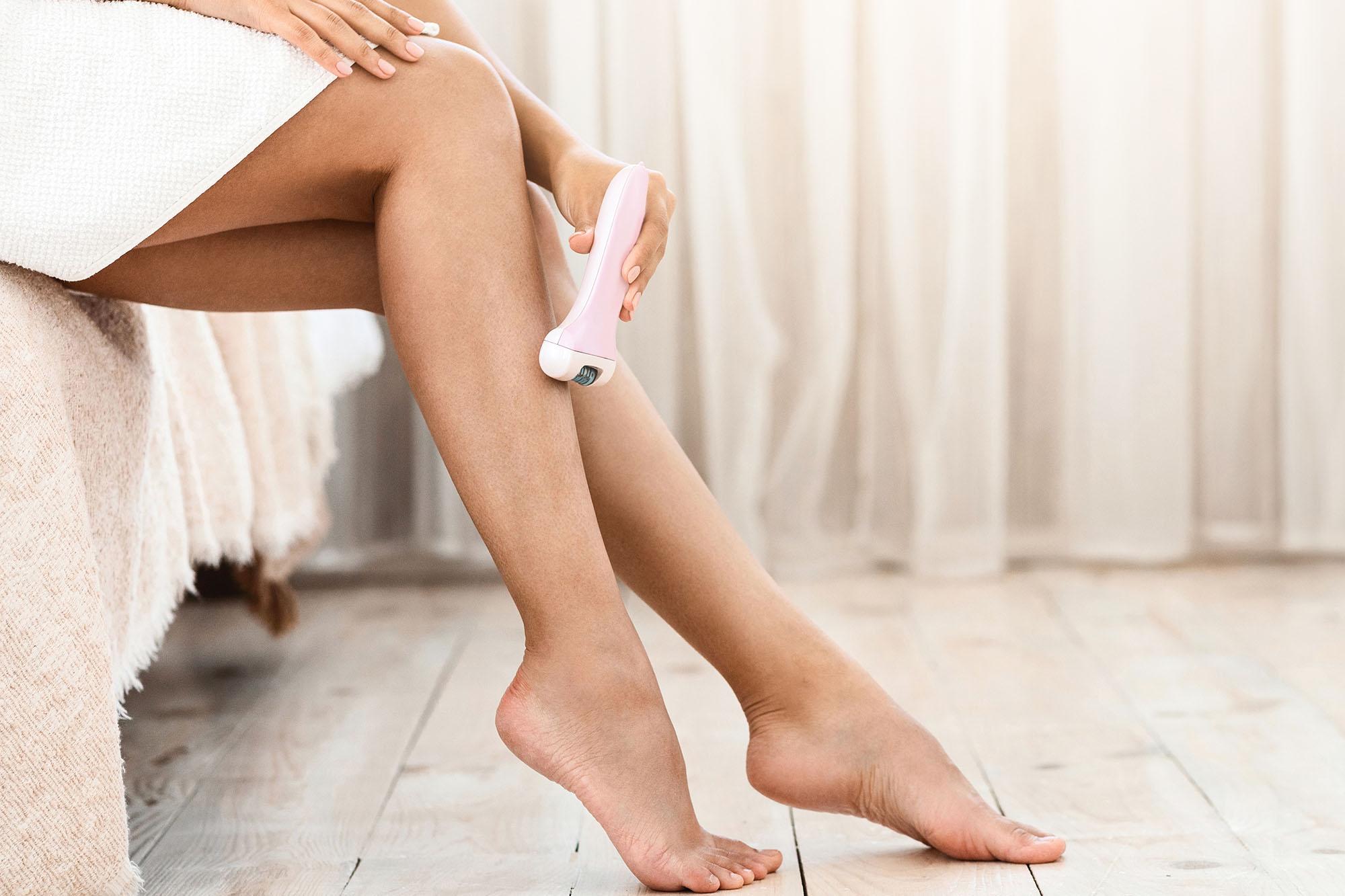
IPL device and epilator for ladies' hair removal

Expert guide to ladies' hair removal tools

This ladies' hair removal guide covers IPL devices, epilators, electric shavers and trimmers. Whether you're looking to reduce regrowth, spend less time shaving or find an at-home alternative to salon treatments, we'll help you compare the options and find the right device for you.

C
Written by Currys Health, Beauty & Wellness tech experts
Written in collaboration with Dr Dan Cooper, GP at Spire Yale
Reviewed date: September 2026

Which hair removal device is right for me?
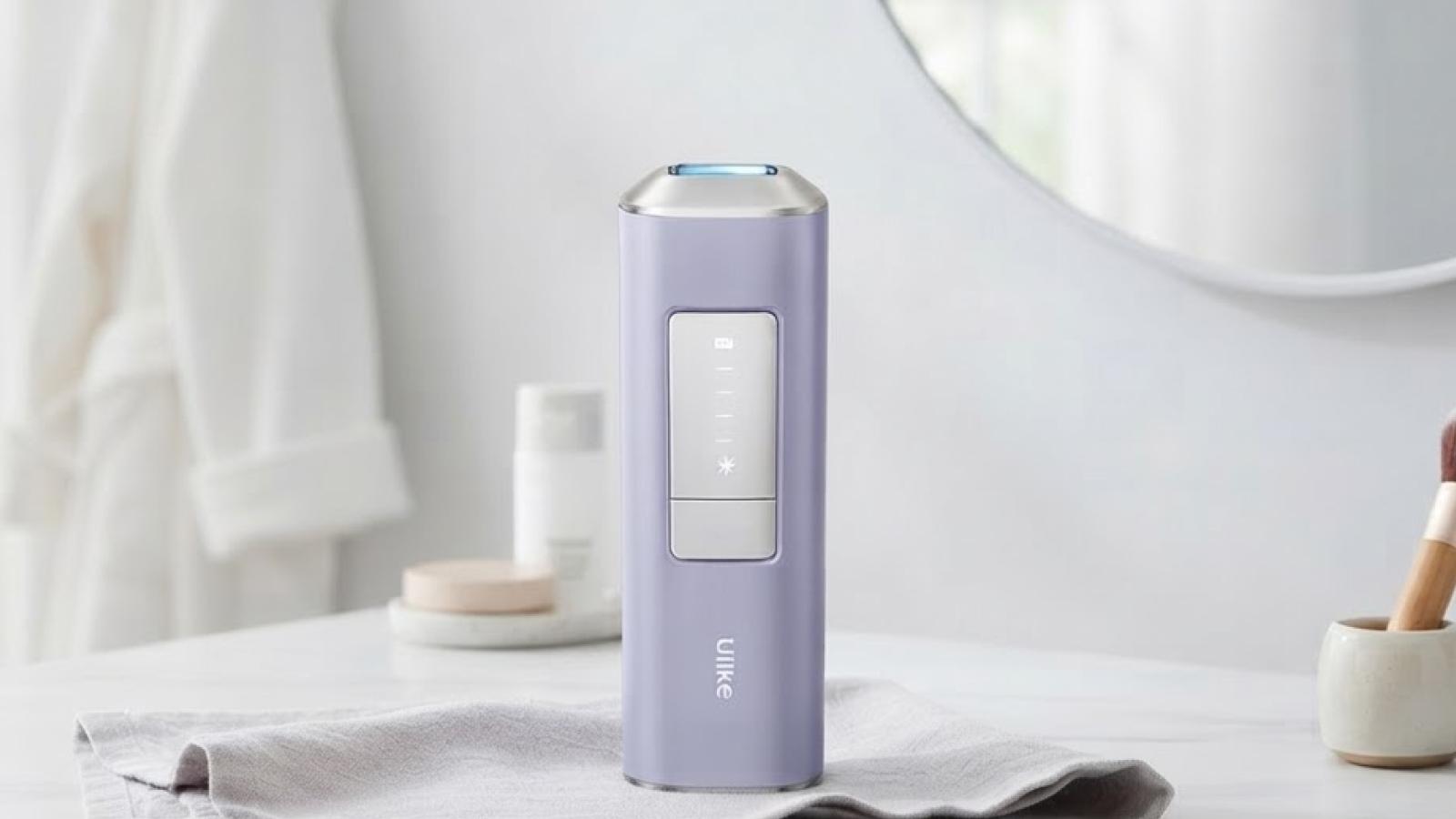
IPL (Intense Pulsed Light) hair removal device
IPL (Intense Pulsed Light)

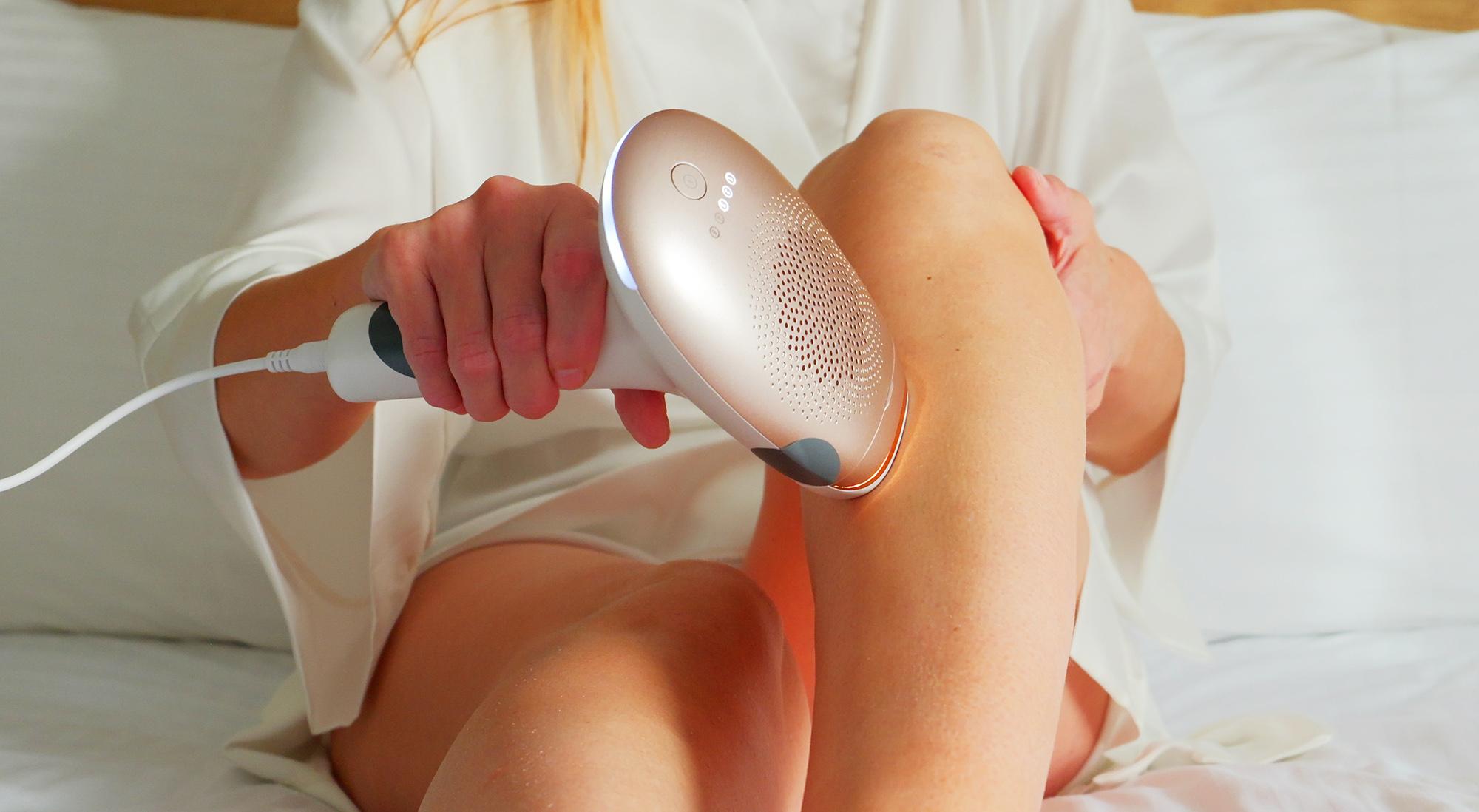
IPL uses pulses of light to heat hair follicles and disrupt the hair growth cycle, leading to a significant reduction in regrowth over time. With regular use, most people see noticeably less hair returning after 8–12 weeks.

✦ Best for:

Larger areas such as legs, underarms, bikini line and arms – particularly if you have dark hair and fair to medium skin tones. Particularly appealing if you're tired of shaving regularly and want to spend less time managing regrowth.

Shop IPL hair removal →
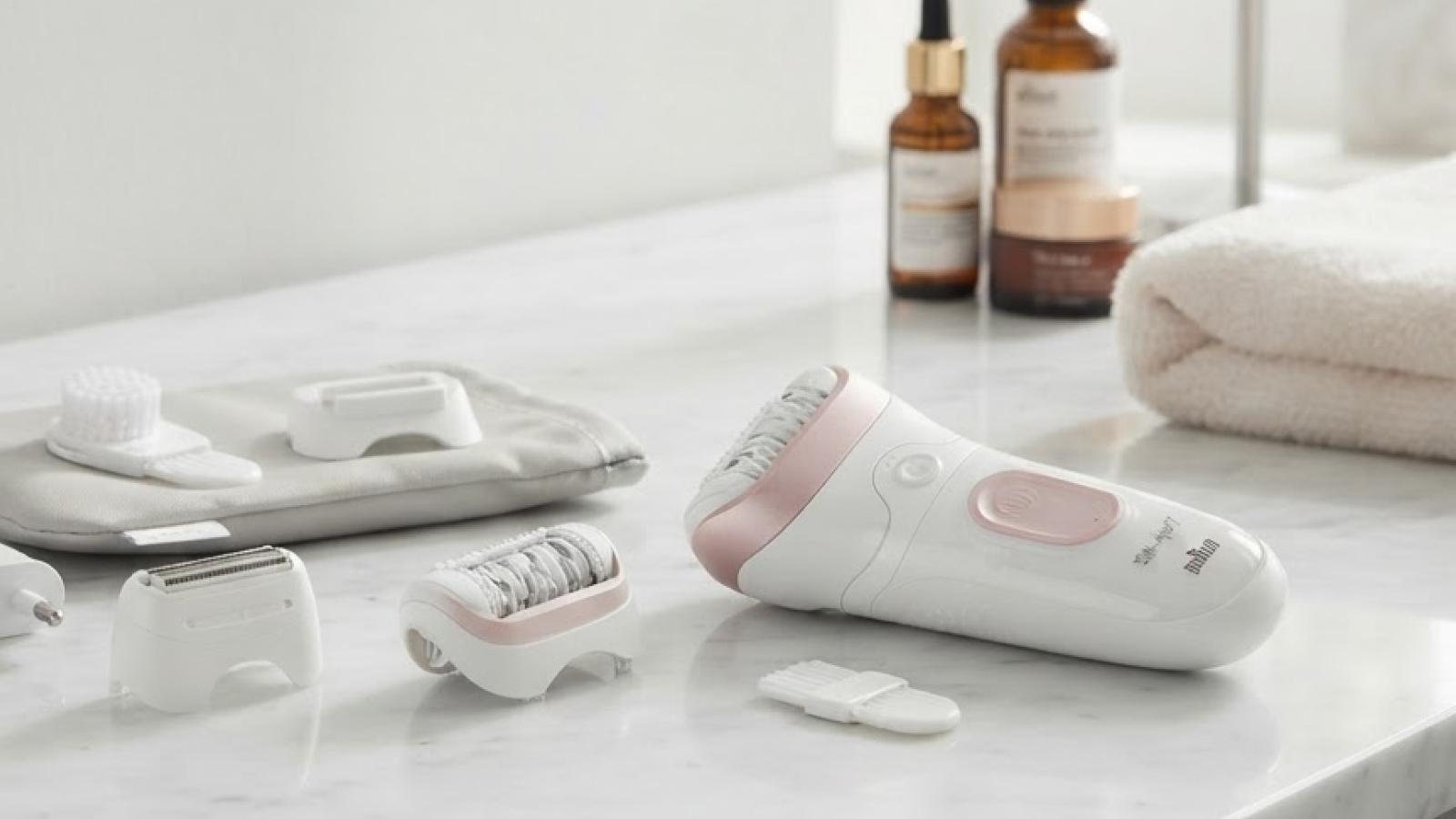
Epilator for hair removal
Epilator

An epilator removes hair from the root using rotating tweezers, providing longer-lasting smoothness than shaving. Results are similar to waxing, but without waiting for significant regrowth.

✦ Best for:

Legs, arms and body maintenance, especially if you want weeks of smooth skin without booking waxing appointments.

Shop epilators →
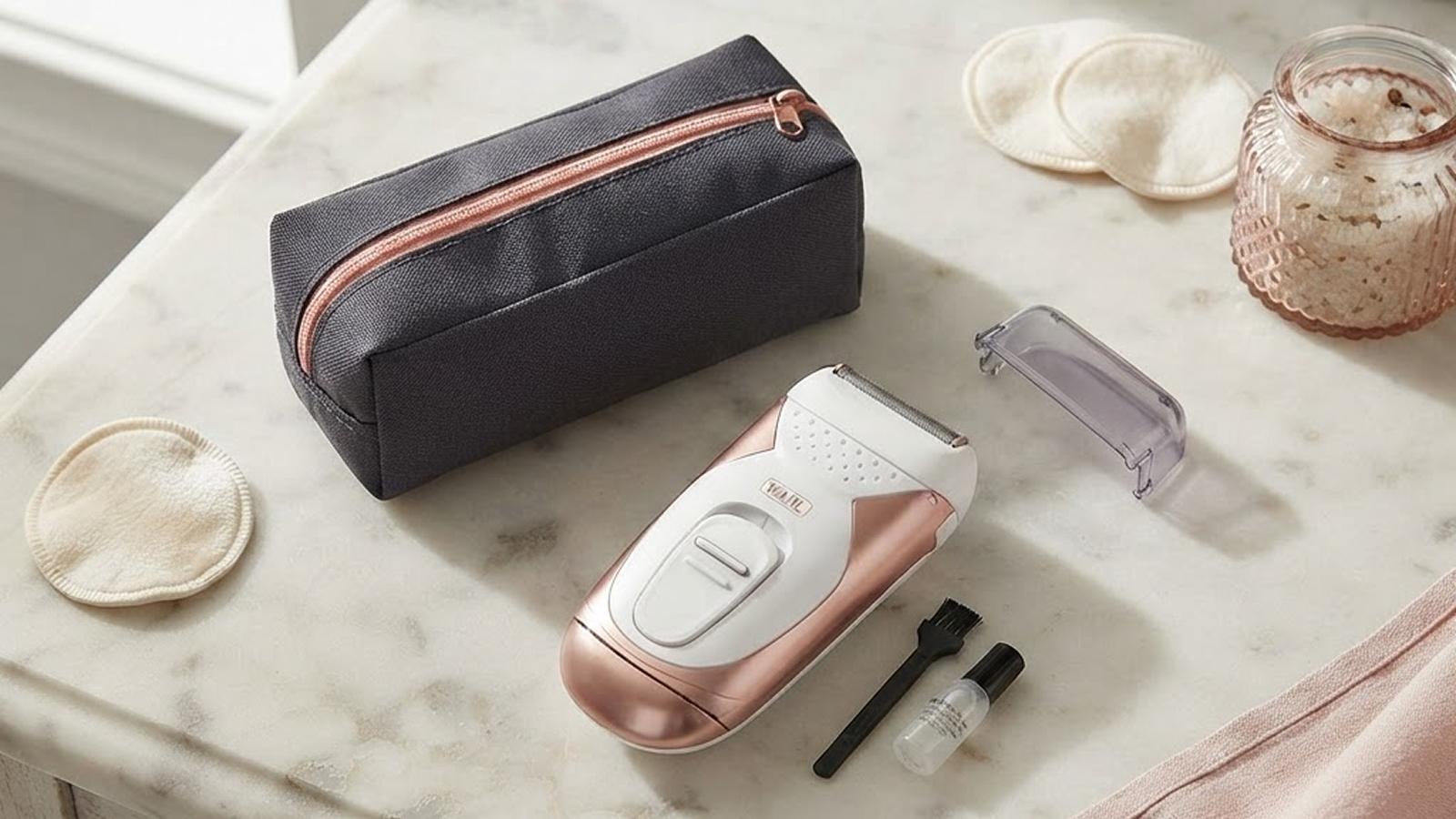
Ladies' electric shaver

An electric shaver cuts hair at skin level for fast, convenient hair removal. Results are immediate, making it an easy option for regular grooming and maintenance.

✦ Best for:

Quick, pain-free hair removal on legs, underarms and the body. Especially for those with sensitive skin.

Shop ladies' shavers →
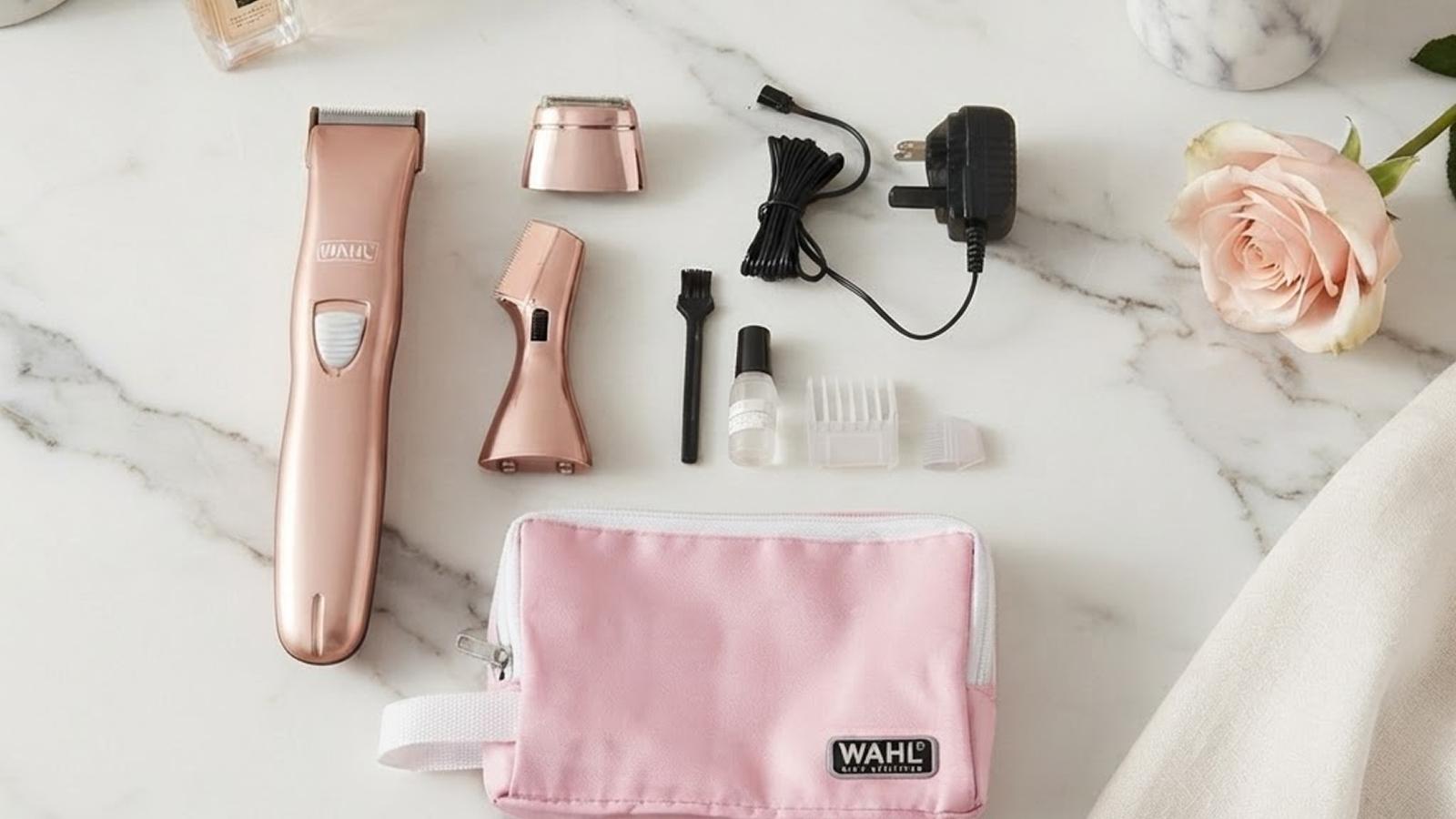
Body and facial hair trimmer
Body & facial hair trimmer

A trimmer cuts hair to a chosen length rather than removing it completely. It's designed for shaping, tidying and managing hair growth across the face and body.

✦ Best for:

Managing hair rather than removing it completely. Ideal for shaping eyebrows, maintaining a bikini line or tidying facial hair.

Shop trimmers →

How to choose the right ladies' hair removal device

The best ladies' hair removal device depends on the result you want, your skin and hair type and how much time you're willing to commit to ongoing treatments. Start with your end goal and you'll narrow the options down quickly.

1
What outcome are you looking for?
Goal Best device type Why
Long-term reduction in hair regrowth IPL device Targets the hair follicle to disrupt the growth cycle, with results lasting months or longer when used consistently
Smooth skin lasting 2–4 weeks Epilator Removes hair from the root, delivering results similar to waxing at home
Quick, pain-free maintenance Ladies' electric shaver Cuts hair at skin level for immediate results without discomfort
Trim and manage hair length Trimmer Maintains hair at a chosen length without full removal
Smooth skin before a holiday or event Epilator or IPL (planned ahead) Epilators provide immediate smoothness, while IPL requires several weeks of treatment
Facial hair removal Dedicated facial epilator or facial trimmer Designed specifically for delicate facial areas where body devices may not be suitable
2
How much time can you commit?
↓ Low commitment

Electric shaver or trimmer, used whenever needed

— Medium commitment

Epilator, typically used every 2–4 weeks

↑ High commitment

IPL, with regular sessions over 8–12 weeks followed by occasional top-ups

If you want the longest-lasting results, IPL requires the biggest upfront commitment. A mid-range IPL used consistently will usually give you better results than a premium device that's only used occasionally.

3
How much discomfort are you willing to accept?
↓ None

Electric shaver or trimmer

— Low

IPL, which is often described as a mild snapping sensation

↑ Medium

Epilator, especially when used regularly or in warm water

Expert Advice

"If your skin feels irritated or slightly sore after the initial sessions,

then I recommend aloe vera gel (which you can keep in the fridge) to cool and soothe the area."

Nicola Bonn
4
Does the device work for your hair and skin type?

IPL suitability depends heavily on the contrast between your skin tone and hair colour. See our full guide to which hair colours work best with IPL.

Profile IPL Suitable? Best alternative
Fair skin, dark hair Yes – ideal combination Epilator also works well
Medium skin, dark hair Yes Epilator
Olive skin, dark hair Usually yes Epilator
Dark skin (Fitzpatrick V) Check the manufacturer's skin tone guide Epilator or shaver
Very dark skin (Fitzpatrick VI) Most at-home IPL devices are unsuitable Epilator or shaver
Fair skin, blonde hair Limited effectiveness Epilator or shaver
White, grey or red hair Not effective Epilator or shaver
Info iconImportant: Always check the device's compatibility guide before buying. Compatibility is the biggest predictor of IPL success.
5
When should you expect to see results?

Immediate

Shavers and trimmers provide instant grooming. Epilators deliver smooth skin from the root after the first use.

Around 4 weeks of IPL use

Hair may begin growing back more slowly and appear finer

Around 8–12 weeks of IPL use

Noticeably reduced regrowth across treated areas

Long term

IPL can provide prolonged hair reduction, although occasional maintenance sessions are usually required

Before you start:

  • IPL is not suitable for all hair colours and skin tones.
  • Epilator results often improve after the first few sessions as hair growth cycles become more synchronised.
  • No at-home device can match the speed or intensity of professional laser treatment, but they're significantly more affordable and practical for ongoing use.
  • When using IPL, you need to shave the desired area prior to starting the treatment. This includes the face.

IPL is the best choice for long-term hair reduction if your hair and skin type are compatible and you're happy to commit to regular use. Epilators offer longer-lasting smoothness than shaving, while electric shavers and trimmers are ideal for fast, convenient maintenance with minimal effort.

The right option depends less on price and more on your hair type, your routine and how much maintenance you're willing to do.

IPL, laser or epilator?

  • IPL uses pulses of broad-spectrum light to reduce hair regrowth over time and is designed for home use.
  • Laser hair removal uses a more focused light technology typically delivered in professional clinics.
  • Epilators mechanically remove hairs from the root, providing smooth skin for several weeks, but don't reduce future hair growth.
Comparison of three hair removal methods: IPL uses pulsed light for home use with results after 8–12 weeks; laser uses a single focused wavelength delivered in clinics; epilators mechanically remove hair from the root, lasting 2–4 weeks but with no long-term reduction.
Expert Advice

"If you are opting for IPL make sure you follow the instructions and commit to regular use.

Usually this will involve initial weekly treatments and then monthly maintenance ones. Plus with all hair removal it is important to look after your skin. Keep it moisturised and use a gentle exfoliant in between treatments. I often recommend hybrid moisturiser/chemical exfoliants."

Nicola Bonn

Is it worth it?

Yes, an at-home hair removal device is worth it when it matches your hair type, skin tone and willingness to use it consistently.

When it is worth it

  • You have dark hair and fair to medium skin and want to try IPL
  • You will save on regular waxing or laser appointments
  • You are prepared to follow the recommended IPL treatment schedule
  • You shave or epilate frequently
  • You want long-term hair reduction and are happy to wait 8–12 weeks for results

When it may not be worth it

  • Your hair is blonde, grey, white or red, making IPL less effective
  • You expect permanent hair removal from an at-home device
  • You need results immediately, as IPL typically takes 8–12 weeks
  • You are unlikely to use the device consistently

Top picks from our experts

Our experts selected these ladies' hair removal devices because they're easy to use and offer great results.
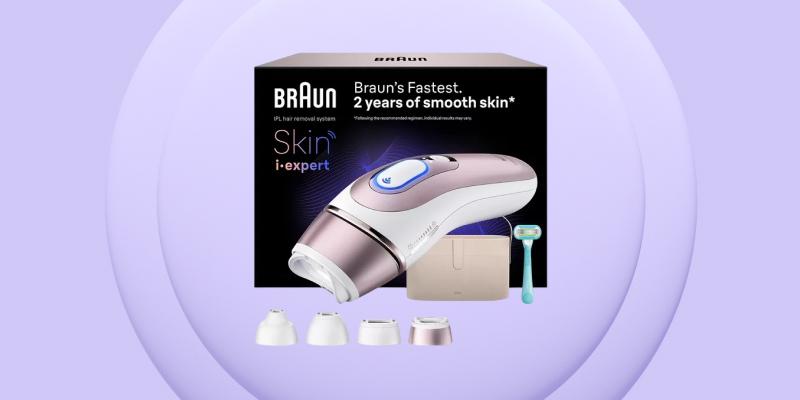
Braun Skin i·expert IPL
✦ Best for:

Targeted hair removal

✦ Why it stands out:

Your whole body is covered here, with four unique heads designed to remove hair from different areas.

Shop Braun Skin i·expert IPL →
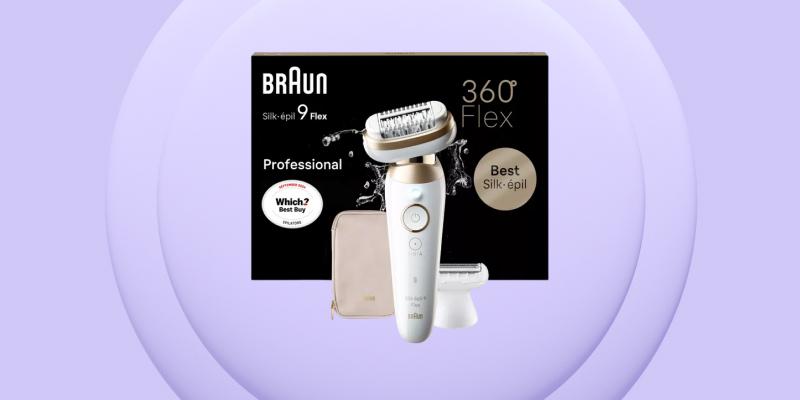
Braun Silk-épil 9 Wet & Dry Epilator
✦ Best for:

Simple cleaning

✦ Why it stands out:

Because it's completely waterproof, cleaning is so easy – just run it under the tap to clear out any leftover hair.

Shop Braun Silk-épil 9 Wet & Dry Epilator →
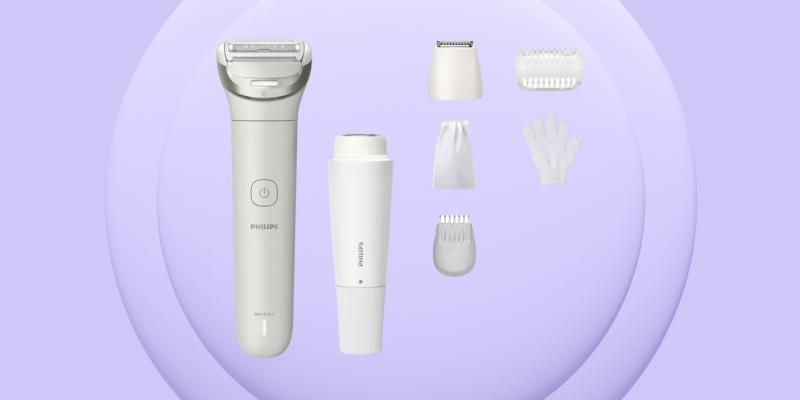
PHILIPS 8000 Series Wet & Dry Foil Shaver
✦ Best for:

Battery life

✦ Why it stands out:

With 100 minutes of use, you can get through a full cordless shave in or out of the shower.

Shop PHILIPS 8000 Series Wet & Dry Foil Shaver →

What to consider before you buy

Choosing the right hair removal method depends on your skin and hair type, budget, comfort level and the area you're treating.

Skin and hair compatibility

Some methods suit certain skin tones and hair types better than others. Laser hair removal tends to work best on darker hair. Blonde, red and grey hairs can be harder to treat. If you have sensitive skin, consider how it reacts to shaving, waxing or hair removal creams. Some methods can cause irritation, redness or ingrown hairs.

Discomfort level

Hair removal involves some level of discomfort. Shaving is usually painless but can cause nicks or razor burn. Waxing removes hair from the root and can be more uncomfortable, especially in sensitive areas. Laser hair removal is often described as a quick snapping sensation against the skin.

How much will it really cost?

The cheapest option upfront isn't always the best value long term. Shaving and hair removal creams need to be topped up, while waxing involves ongoing appointments. Laser hair removal costs more initially but may reduce the need for regular treatments.

Area being treated

The size and sensitivity of the skin area can help you decide. Smaller areas, such as the upper lip or underarms, are quick to treat with most methods. Areas like the legs take more time. Sensitive areas, including the bikini line, are prone to irritation – so look for devices designed with that in mind.

Common mistakes

The most common hair removal mistakes aren't usually caused by the device itself. They're caused by using the wrong preparation method, skipping treatments or expecting results too quickly.

Waxing or epilating before IPL

IPL targets the hair follicle beneath the skin. If you've removed the hair at the root through waxing or epilation, there's nothing for the IPL treatment to target.

How to avoid: Shave before IPL sessions instead. Avoid waxing, epilating or using hair removal creams immediately before treatment.
Skipping preparation before epilating

Dry skin and poor preparation can make epilation more uncomfortable and may increase irritation or ingrown hairs.

How to avoid: Exfoliate the area before treatment and continue to exfoliate gently between sessions. If your epilator supports wet use, a warm bath or shower can help make the process more comfortable.
Expecting instant or permanent results

Hair removal methods work in different ways and on different timescales. IPL typically requires several weeks of regular treatments, while most devices need ongoing use to keep skin smooth.

How to avoid: Stick to the recommended treatment schedule and choose a device that matches your goals.
Using treatments inconsistently

Missing sessions can slow progress, particularly with IPL, where treatments need to align with the hair growth cycle.

How to avoid: Stick to the manufacturer's schedule and set reminders if needed.

Ladies hair removal glossary

IPL (Intense Pulsed Light)

IPL (Intense Pulsed Light) is a hair reduction technology that uses broad-spectrum light pulses to target the melanin in hair follicles and disrupt the hair growth cycle. Most at-home hair removal devices use IPL, so it's important to know that they work differently from professional salon lasers.

Shop IPL hair removal
Laser hair removal

Laser hair removal uses a single, focused wavelength of light to target and damage hair follicles. Professional laser treatments typically deliver faster and longer-lasting results than at-home IPL, but at a much higher cost.

Epilator

An epilator is an electric hair removal device that uses multiple miniature tweezers to remove hair from the root as it moves across the skin. Results typically last between two and four weeks, making epilation a longer-lasting alternative to shaving.

Shop epilators
Fitzpatrick Scale

The Fitzpatrick Scale is a classification system that groups skin tones from Type I (very fair) to Type VI (darkest brown or black). IPL manufacturers use it to show which skin tones their devices are suitable for, so it's worth checking before you buy.

Hair growth cycle

The hair growth cycle is the natural process that moves hair through its active growth, transition and resting phases. IPL can only target hairs in the active growth phase, which is why multiple treatment sessions are needed to achieve the best results.

Melanin

Melanin is the pigment that gives hair its colour and allows IPL and laser devices to target hair follicles. Hair with more melanin usually responds better to IPL. White, grey and very light blonde hair often responds poorly or not at all.

Ingrown hair

An ingrown hair is a hair that grows back into the skin instead of growing out through the follicle, which can cause bumps and irritation. They're most common after shaving and epilating, particularly around the bikini line. Regular exfoliation can help reduce them.

Wet and dry

Wet and dry means a shaver or epilator can be used both on dry skin and in the bath or shower. Wet use is often more comfortable for first-time epilator users because warm water can help soften the skin and hair.

Flash count

Flash count is the total number of light pulses an IPL device can deliver during its lifetime. A higher flash count usually means a longer-lasting device, which is especially important if you plan to treat larger areas regularly.

Skin tone sensor

A skin tone sensor measures your skin tone before treatment and adjusts the light intensity accordingly. It helps improve safety and can make IPL easier to use, particularly if you're unsure which setting is right for your skin tone.

Hair removal FAQs

Types of device

    What is the difference between IPL and laser hair removal?

    Professional laser hair removal uses a more powerful, focused light technology that typically delivers faster and longer-lasting results. Most at-home devices use IPL (Intense Pulsed Light), which is less powerful but more affordable and effective for long-term hair reduction with regular use. Clinic lasers use a single focused wavelength, while IPL uses broad-spectrum light. At-home IPL requires more sessions and maintenance treatments, but costs significantly less than salon laser treatment. If an at-home device is marketed as a "laser", check the small print – it's probably IPL.

    Is an epilator better than shaving?

    An epilator provides longer-lasting results than shaving because it removes hair from the root rather than cutting it at the skin's surface. Choose an epilator if you want weeks of smooth skin. Choose a shaver if you prioritise speed, comfort and convenience.

    Is an epilator better than waxing?

    An epilator delivers similar long-lasting results to waxing because both methods remove hair from the root. The biggest difference is convenience. An epilator lets you remove hair whenever you like without booking or paying for salon appointments.

    Which is better — a trimmer or a razor for women?

    A trimmer is usually better for comfort and skin sensitivity. A razor is better when you want the closest possible shave. Trimmers cut hair just above the skin - helping reduce irritation. Razors shave at skin level for a smoother finish. If you're prone to razor burn, ingrown hairs or sensitive skin, a trimmer may be the better choice. If your priority is completely smooth skin, a razor is the one to choose.

    Which hair removal method lasts the longest?

    Professional laser hair removal generally delivers the longest-lasting hair reduction. Results that can last for years after a full course of treatments. At-home IPL also provides long-term reduction, while epilation and waxing typically keep skin smooth for several weeks at a time. Shaving and trimming don't last long, because they remove hair only at the skin's surface.

Suitability

    Will IPL work on my hair colour?

    IPL works best on dark hair because it targets the melanin (pigment) in the hair follicle. People with dark brown or black hair and fair to medium skin tones typically see the best results. Light blonde, grey, white and red hair contains too little pigment for IPL to target effectively. Because IPL relies on melanin to find the hair follicle, results on lighter hair colours are usually minimal or non-existent. If you have light blonde, grey, white or red hair, an epilator or electric shaver is likely to be more effective. Read our full guide to IPL and hair colour for a breakdown by shade.

    Is IPL suitable for dark skin?

    IPL can be suitable for some dark skin tones, but compatibility depends on the device and your individual skin tone. Because IPL targets melanin, not all devices can safely distinguish between hair pigment and higher levels of skin pigment. Many modern IPL devices include skin tone sensors and are designed to work across a wider range of skin tones. Always check the manufacturer's skin tone guide before use and follow the recommended settings for your skin type.

    Can I use IPL on my face?

    Many IPL devices can be used on facial hair, but only if the manufacturer specifically states that facial treatment is safe for that model. Most facial IPL treatments are designed for areas such as the upper lip, chin and jawline. IPL should never be used on or around the eyes, including the eyelids. Always follow the manufacturer's instructions and use any dedicated facial attachments provided with the device.

    Can I epilate my pubic hair?

    Yes, many people use epilators on the bikini line and surrounding pubic area, provided the device is suitable for intimate-area use and the manufacturer's instructions are followed. Epilation removes hair from the root, delivering longer-lasting results than shaving. Because the skin in intimate areas is often more sensitive, some discomfort is normal - particularly during the first few sessions. Trimming longer hairs beforehand can help make the process more comfortable.

    Does epilating facial hair make it grow back thicker?

    No. Epilating facial hair does not make it grow back thicker, darker or faster. Epilation removes hair from the root, just like waxing, so hair returns at its natural thickness and may even become finer and sparser over time with repeated treatments. The myth comes from shaving, which cuts hair at the surface and leaves a blunt tip that can feel coarse or stubbly as it grows back. Epilation does not create this effect because the hair is removed from the root rather than cut.

Safety

    Is IPL safe to use during pregnancy?

    IPL should not be used during pregnancy because there is no established safety data confirming that it is safe for pregnant women. While there is no proven evidence of harm to a developing baby, studies obviously can't be conducted during pregnancy. Pregnant women are also more likely to have increased skin sensitivity – so there's a higher risk of irritation. Most manufacturers recommend pausing IPL treatments during pregnancy and resuming around two to three months after delivery - once hormone levels have stabilised. If you need hair removal during pregnancy, shaving is generally considered the safest option.

    Is IPL safe on sensitive skin?

    IPL can be suitable for sensitive skin, but it is important to use the device as directed. Start with a lower intensity setting and perform a patch test before full treatment. Many modern IPL devices include adjustable settings designed to improve comfort and reduce irritation. Everyone's skin reacts differently, so following the manufacturer's instructions is essential. If irritation occurs or persists, stop treatment and seek advice from a healthcare professional.

    Can I use an epilator if I have varicose veins?

    People with varicose veins are generally advised to avoid using an epilator directly over affected veins. The pulling action may cause discomfort and irritate already sensitive areas. Shaving or trimming may be more comfortable depending on the severity of the condition. If you have significant varicose veins, swelling, broken skin or circulation concerns, it is best to seek advice from a healthcare professional before using an epilator.

    Is it safe to use IPL over tattoos or moles?

    IPL should not be used directly over tattoos. It's best to avoid large, dark or raised moles unless the manufacturer advises otherwise. Tattoo ink absorbs light energy, which can increase the risk of skin irritation, burns, blistering and fading. Always follow the device instructions and cover tattoos or prominent moles if recommended. Only treat the surrounding skin where it is safe to do so.

Travel

    Can I take my epilator in hand luggage?

    Yes, you can take an epilator in your hand luggage. Both corded and battery-powered models are generally permitted in carry-on and checked baggage. This makes epilators one of the easiest personal grooming devices to travel with. If your epilator contains rechargeable batteries, make sure it is packed in line with your airline's battery requirements. While these are the standard rules, it's always worth checking your airline's baggage policy before you travel.

    Can I take my electric shaver on a plane?

    Yes, electric shavers are generally allowed in both hand luggage and checked luggage - whether they're corded, battery-powered or rechargeable. Most airlines treat them as standard personal care devices. If your shaver contains rechargeable lithium-ion batteries, check any battery-related restrictions before you travel. Airline requirements can vary, so always review your carrier's latest baggage guidance.

    Can I take my IPL device in hand luggage?

    Yes, you can take an IPL device in your hand luggage. Rechargeable models with lithium-ion batteries should normally travel in the cabin rather than checked baggage. Corded IPL devices that do not contain a battery can usually be packed in either hand luggage or hold luggage. Lithium-ion batteries are generally not permitted in checked baggage under UK and EU aviation rules. That's why battery-powered IPL devices should travel with you in the cabin. Always check your airline's specific baggage policy before travelling, as individual carriers may apply additional restrictions.

Results and expectations

    Is at-home IPL as good as salon laser treatment?

    At-home IPL can deliver excellent long-term hair reduction and is significantly cheaper than salon treatments. But it's not as powerful as professional laser hair removal and typically takes longer to achieve results. Clinic lasers are stronger, faster and more likely to achieve longer-lasting reduction. Professional laser treatments use a single focused wavelength and higher energy levels. At-home IPL uses broad-spectrum light at lower power levels for safety. That means more sessions and maintenance treatments are usually needed with IPL.

    How long does IPL hair removal last?

    IPL can provide long-term hair reduction that lasts for months after your initial treatment course. Although occasional maintenance sessions are usually needed to maintain results. Individual results vary depending on hair colour, skin tone, hormones and how consistent you are with treatments. IPL reduces hair growth by targeting the hair follicle, but it doesn't permanently stop every hair from growing back. Most people experience slower, finer and less noticeable regrowth over time.

    How long does epilating last?

    Epilating typically keeps skin smooth for two to four weeks because it removes hair from the root rather than cutting it at the skin's surface. Results vary depending on the area being treated and your individual hair growth cycle. Because new hairs grow at different times, some regrowth may appear sooner. With regular use, many people find that regrowth becomes finer and less noticeable.

    How long does it take for IPL to work?

    Most people start to notice a reduction in hair growth after a few IPL treatments, with the best results appearing after several weeks of consistent use. IPL works gradually because it can only target hairs that are in the active growth phase during each treatment. Following the treatment schedule recommended by the manufacturer is important for achieving the best results. Regular treatments are needed initially, followed by occasional maintenance sessions to help keep regrowth under control.

More from TechTalk

Further reading on ladies' hair removal, straight from our TechTalk experts.

Does IPL work on my hair colour?

Find out which hair colours respond best to IPL, and what to consider if yours doesn't.

Read more →
Epilating your face
Epilating your face

Get longer-lasting results with at-home facial hair removal!

Read more →
How to make epilating less painful

Practical tips for making epilating more comfortable, from preparation through to aftercare.

Read more →
IPL and pregnancy
IPL and pregnancy

We answer all the key questions...

Read more →

Find hair removal tech that works for you

From long-term hair reduction with IPL to quick touch-ups with shavers and trimmers, we’ve got devices designed for different skin types, routines and results.

Explore hair removal devices ›